Van Hall Larenstein University of applied sciences
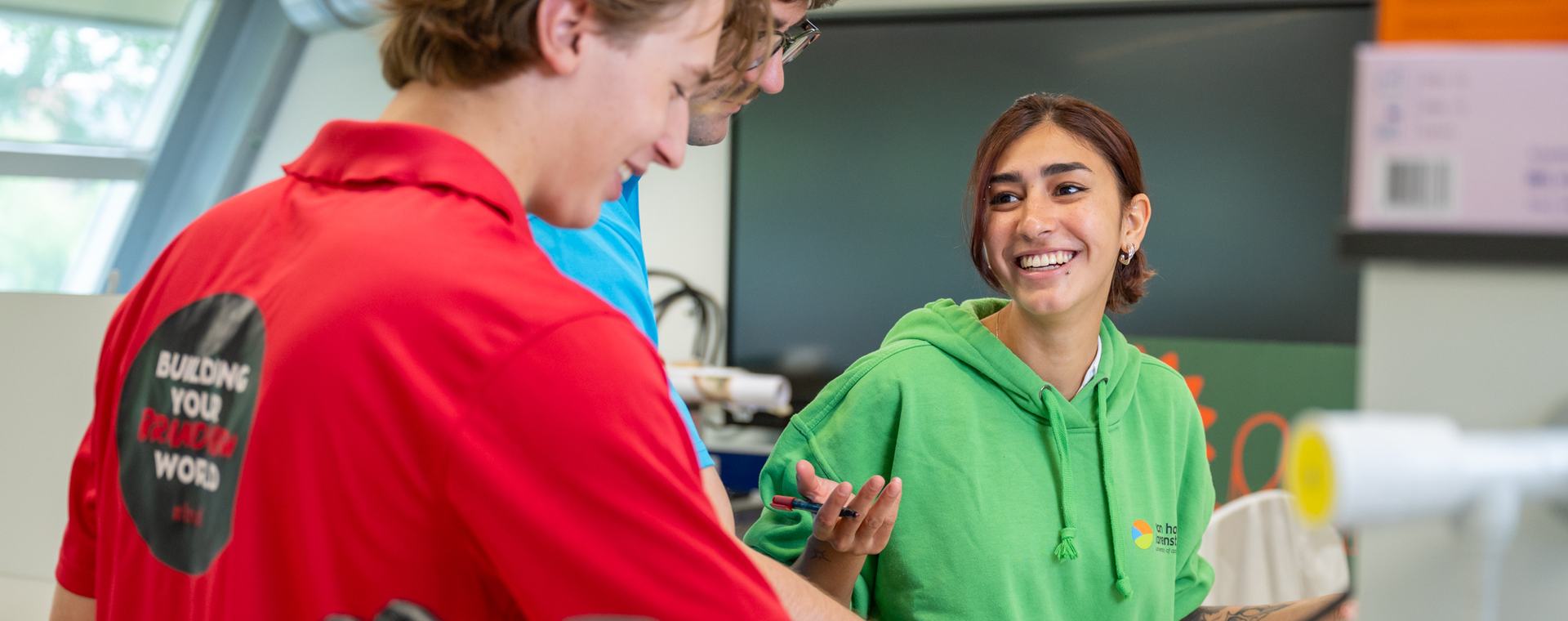
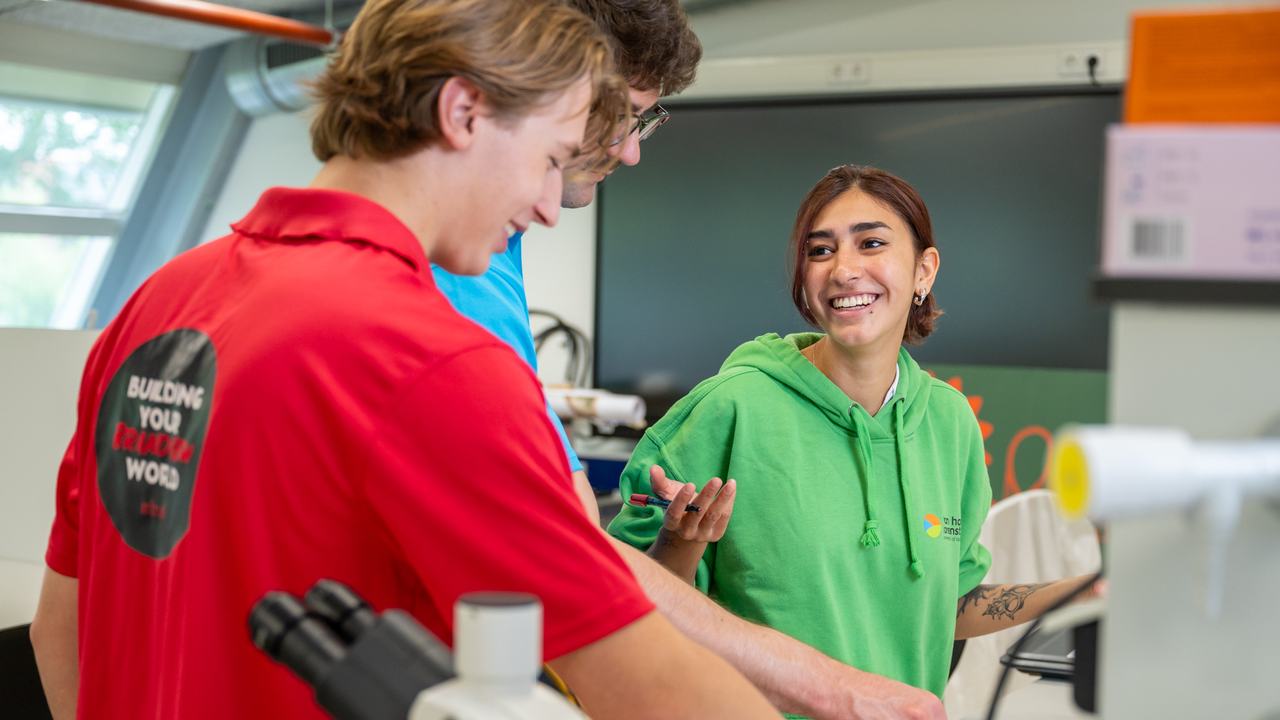
Studenten Voedingsmiddelentechnologie aan het werk in voedingsmiddelenhal locatie Leeuwarden

Food Technology

Step into the world of food and technology. Learn how to develop new, healthy and innovative foods.

Open days

  • Online Open Day

    19 March

  • Online Open Day

    4 June

Food Technology

Studenten Voedingsmiddelentechnologie aan het werk in voedingsmiddelenhal locatie Leeuwarden

Open days

Step into the world of food and technology. Learn how to develop new, healthy and innovative foods.

Food of the future

VelpBachelorFull-timeFood and Agribusiness4 years

Food. We cannot do without it. It’s in the supermarket, at the station, in a farm shop or online. In the food technology study programme, you will not only learn how these foods are made, but also how to improve and preserve them. This study programme gives you the opportunity to think about the food of the future. About how to make food healthier, more sustainable, or just tastier.

In short

Why Food Technology?

  • You study important issues relating to food: how we feed ourselves and the world in the future.
  • The Netherlands is at the centre of cutting-edge food developments. It’s known for its innovative approach to food production, sustainability, and agrifood technology. Major companies like Unilever and FrieslandCampina have their research centres here, working on the future of food.
  • Your studies are fun and delicious. You see and taste immediate results!
  • A diverse range of subjects: from chemistry, (micro)biology and physics to dietetics and the marketing involved in making food.
  • You will expand your knowledge and skills through theory classes, work in a laboratory or pilot plant. You will add to your professional knowledge and network through internships, guest speakers and real life projects.
  • Lots of practice through guest lectures, company visits and internships at smaller local companies to large multinationals.
  • Friendly; the study programme fosters a close-knit community. Many students also meet up outside their studies, at study associations, for example.
What you will learn

Feed your passion for technology and innovation

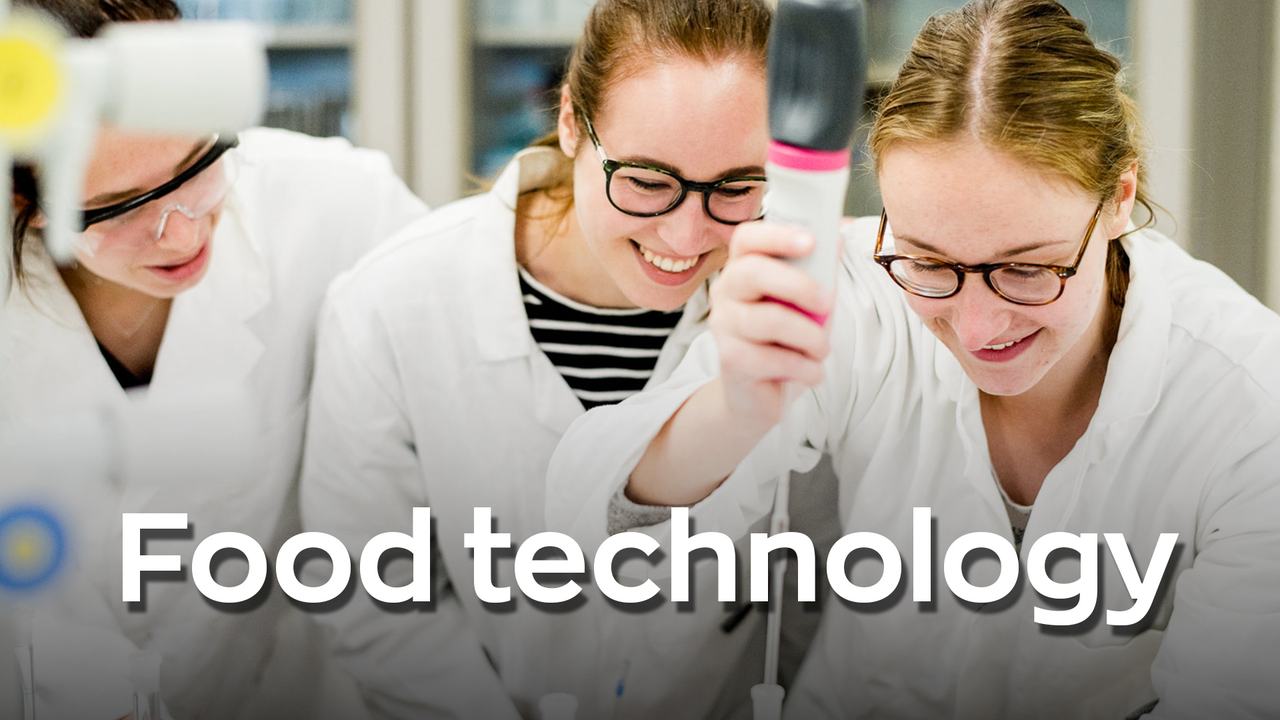
You will learn all about food production. You will learn which molecules give food flavour, how spoilage works, what you can put on a label and how to set the selling price. You will also learn a lot about how to make food. Besides theory, you will take practical classes in laboratories, attend guest lectures, go on company visits and do internships.

Based on practice, you will learn all about nutrition, including the knowledge needed in the following challenges:

  • Invent a new protein sports bar based on local produce
  • Analyse and improve the sustainability of the soft drink production process
  • Make the production of baby food even safer
  • Make plant-based ice cream as creamy as ice cream containing milk fat
  • Turn production waste into a profitable dog biscuit
  • Launch a start-up with your new food innovation
After graduation

Mix your creativity and knowledge for a successful career

After your graduation, the business world is eager to welcome you. During their studies, food technology students are already being offered jobs. The role of technologist is important and in demand.

After graduation, many students go straight into an interesting job. As a cheese maker or beer brewer, for example. Do you prefer inventing your own product as a developer, will you make it as a technologist, or do you have more appetite for a job as a quality engineer? The options are endless. Some of our students choose to continue studying.

Admission requirements

Admission requirements

Diploma requirements

To be admissible, you need to have a secondary school diploma comparable to the Dutch havo diploma, which is at least NLQF 4/EQF 4 level. You can check the website of Nuffic for an indication of the value of your diploma. Our admissions department will assess your diploma when you submit your application.

We recommend having chemistry and mathematics covered until the end of secondary school, but this is not a mandatory admission requirement. This means that you are still admissible without these subjects on your diploma. There are some chemistry and mathematic related courses in the first year of the study programme that all students need to complete.  

Language requirements

We also require proof of English proficiency. You are required to submit one of the following valid test results. Please note: language tests must be taken at an official examination centre (tests taken online are not accepted) and must not be older than two years.

  • IELTS Academic: minimum overall score of 6.0 and no subscores below 5.0
  • TOEFL iBT: minimum score of 80 or 4,5 (updated score scale)
  • Cambridge English scale: B2 First, C1 Advanced or C2 Proficiency with a minimum score of 169–175
  • Pearson PTE Academic: minimum score of 61
  • TOEIC: minimum score of 865 for listening and reading, and 335 for speaking and writing
  • LanguageCert Academic: minimum score of 65

Important: the following students are exempted from proving their English language skills: 

  • Students with a sufficient Dutch diploma
  • Students from a large range of selected European countries who have obtained one of the following diplomas, including a final examination in the subject of English
  • Students with an International Baccalaureate with a final examination in English A Language and Literature
  • Students who have completed at least three years of English-taught education, including a final examination in the subject of English in Australia, Canada, Ireland, Kenya, New Zealand, South Africa, Uganda, United Kingdom, United States of America or Zimbabwe

Questions?

If you have any questions about the admission requirements, please send an e-mail to info@vhluas.com.

Practical information

Practical information

When it comes to studying abroad, there's a lot to think about. From tuition fees to the application process and settling into life in the Netherlands, it's all part of the adventure. Keep in mind that rules may vary for European students (EEA students) and non-European students, so make sure to check which information applies to you.

Application process
We’ve outlined all the steps for you here.

Deadlines
Curious about the application deadline, payment deadline and the first day of lectures? You can find all important dates here.

Finances
Click here to learn about the costs and financing options like loans, scholarships and student jobs.

Study in the Netherlands
Click here to learn about the Dutch teaching style and education system and the type of degree you'll earn.

Housing
We’ve mapped out several routes to guide you in finding a place to stay. Click here for all the tips, tricks and useful links.

Study in Velp (Arnhem)
Discover campus Velp including its student associations and the student city of Arnhem which is just a short bike ride away.


Top-rated programme

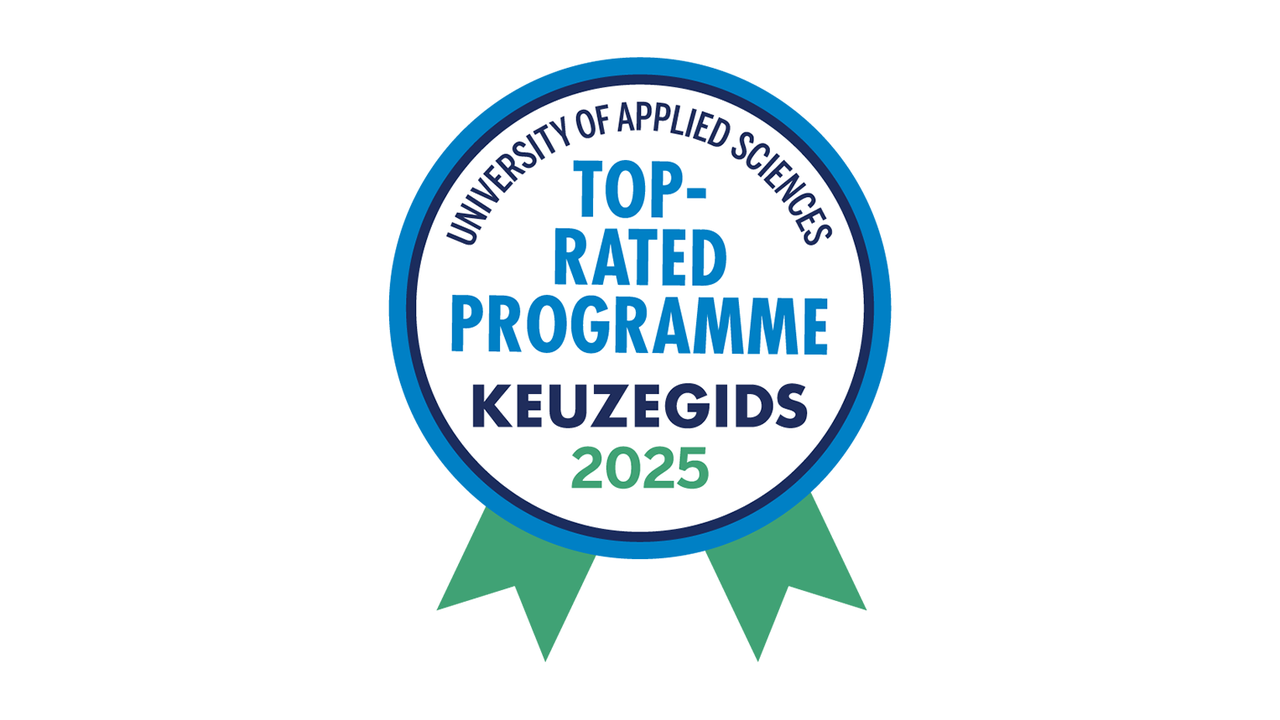
Food Technology has achieved the status of 'top-rated programme' in the Keuzegids hbo 2025. This recognition places the programme among the best in the Netherlands.

Video Food Technology

FT video still

Would you like a brochure?

All about Van Hall Larenstein University of Applied Sciences

Are you eager to contribute to a better world? At Van Hall Larenstein University of Applied Sciences, you can. With global transitions focused on climate and sustainability integrated into our education, you will shape the world of tomorrow and translate this into your future career.