Food Application Centre for Technology (FACT)
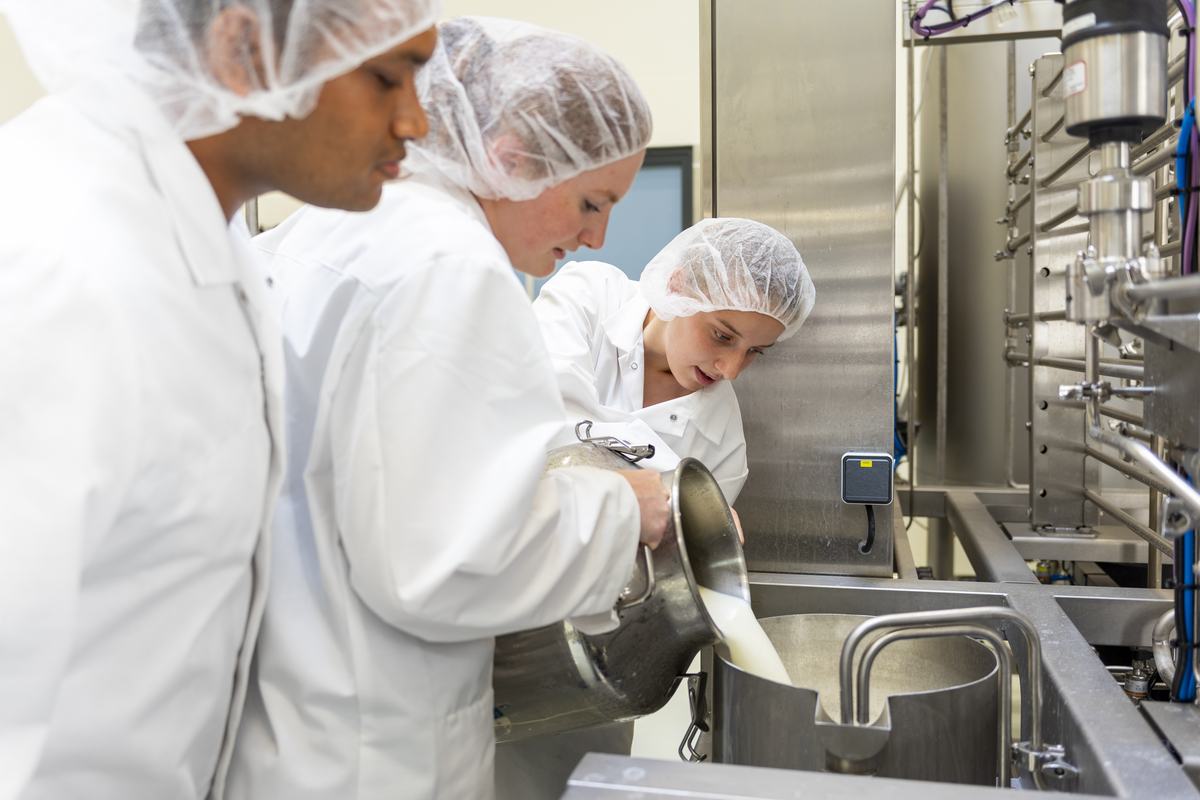
Food-grade pilot facility at Van Hall Larenstein University of Applied Sciences for developing, testing, scaling up and small-scale production of innovative food products.
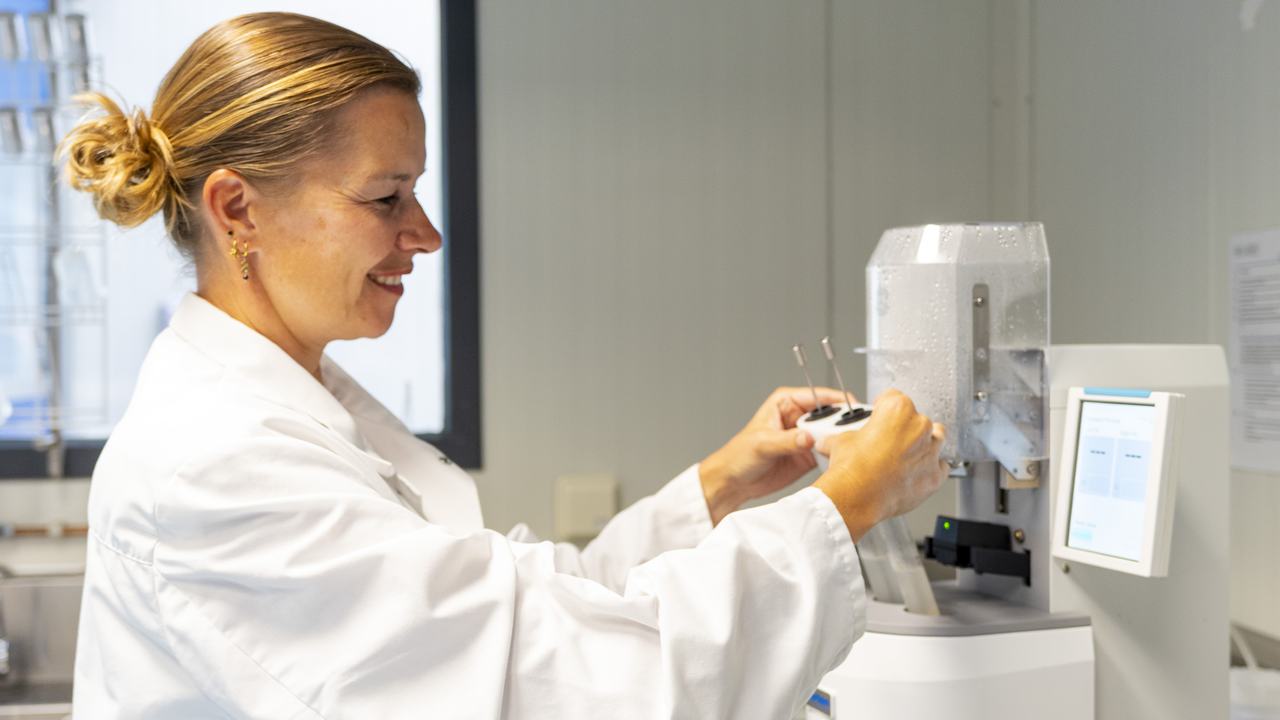


Food-grade pilot facility at Van Hall Larenstein University of Applied Sciences for developing, testing, scaling up and small-scale production of innovative food products.
Food-grade pilot facility at Van Hall Larenstein University of Applied Sciences for developing, testing, scaling up and small-scale production of innovative food products.
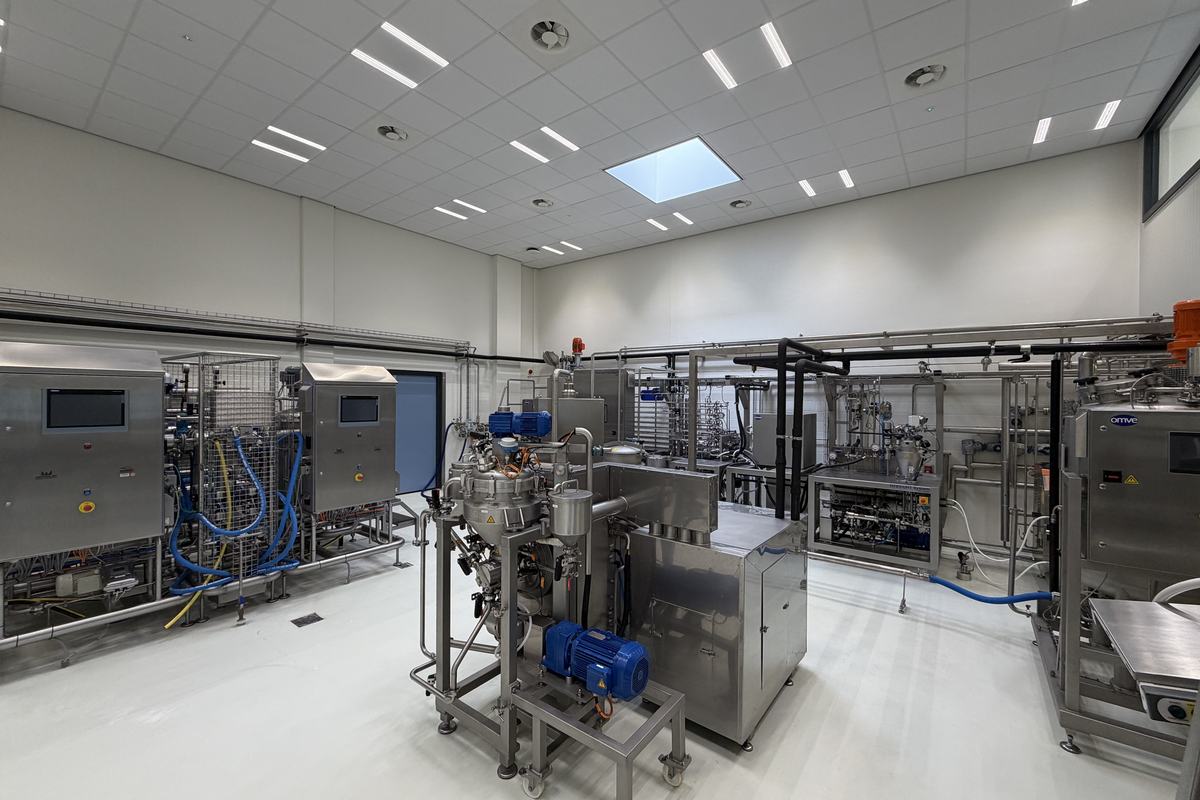
FACT is a practical, industry-focused pilot facility at Van Hall Larenstein University of Applied Sciences in Leeuwarden. Companies can make use of advanced equipment, specialist expertise and facilities for product development, process optimisation and analysis.
Develop new food products, improve existing products and test processes without putting a strain on your own production line.
FACT provides access to food-grade pilot facilities, specialised equipment and practical expertise. You can develop new products, optimise recipes, validate process steps and scale up production before investing in large-scale production.
Do you have an innovative food concept but no production facility of your own yet? We can help you take the next step.
Start-ups gain access to professional equipment, expertise and support that would normally only be available to larger producers. This allows you to test ideas, develop prototypes and prepare to take the step into the market.
Develop new knowledge, research innovative technologies and work together on practical challenges.
FACT provides a meeting place where researchers, Applied Research Groups, companies and knowledge institutions work together on innovation in the food industry. The facilities support research into product development, process optimisation, ingredients and analysis.
View all equipment below.
These Applied Research Groups work with FACT:
Would you like to find out more about the possibilities? Contact Dennis ter Denge on 058-7504711 or dennis.terdenge@hvhl.nl, or Peter de Jong.
During your studies, work with technology and equipment also used by the food industry.
FACT provides a unique learning environment where theory and practice come together. Students work on practical assignments, placements and graduation projects, while professionals can deepen their knowledge through training programmes, courses and tailored programmes. By working with industrial equipment and current challenges from the business community, students gain directly applicable knowledge and experience.
Discover the technologies that companies, researchers and students use to develop new food products, improve processes and validate innovations.
Indirect and direct UHT processing at pilot scale
Develop, test and optimise liquid food products under controlled process conditions. The Digicooker enables recipes and processes to be validated before moving to industrial-scale production.
Application: UHT processing of liquid food products
Capacity: 100 L/h
Filtration and concentration of ingredients
Investigate how valuable components can be separated, concentrated or purified. Ideal for product development and process optimisation in dairy and plant-based applications.
Application: Filtration, concentration and separation of components
Capacity: 200 L
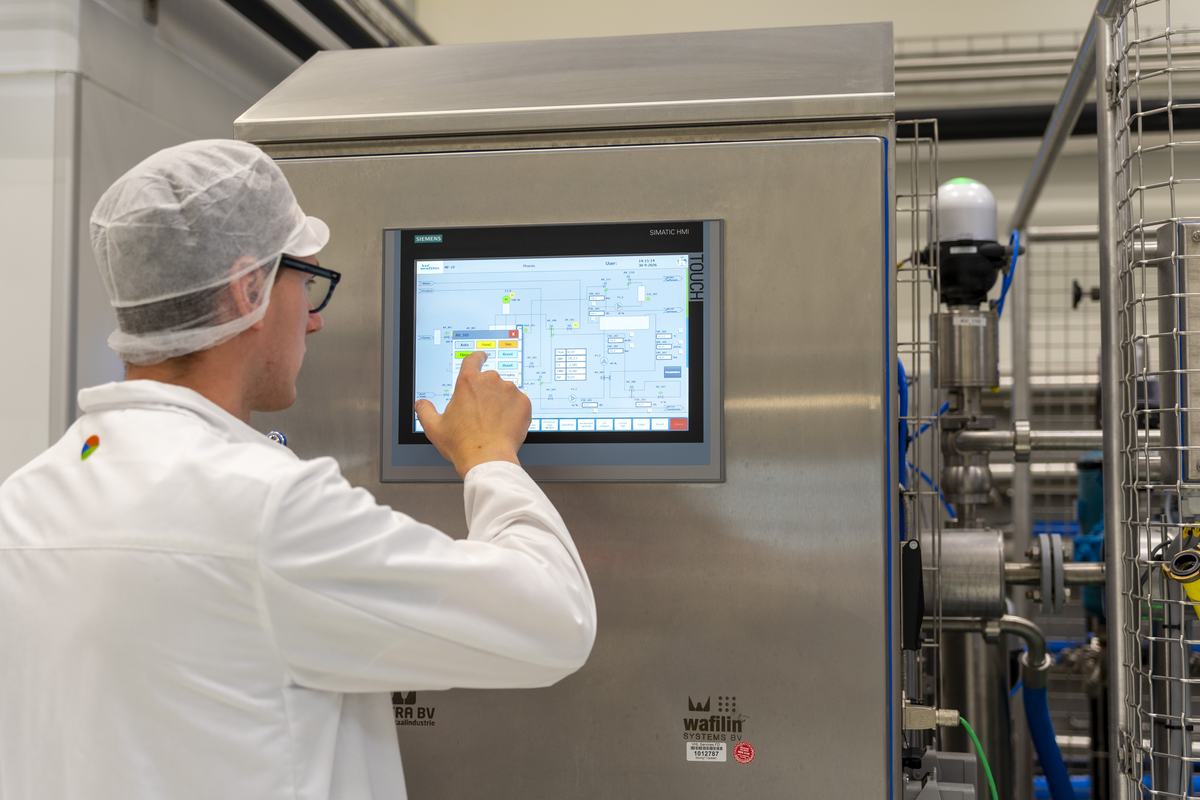
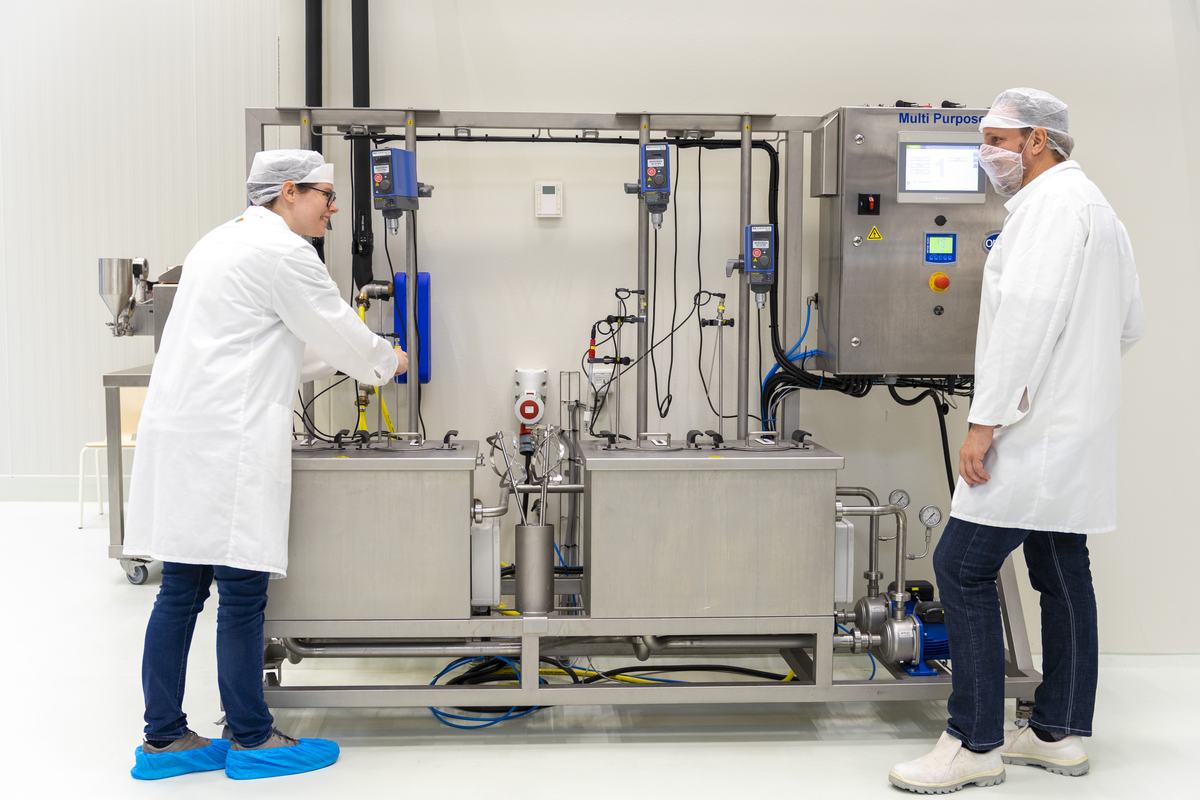
Developing and scaling up emulsions
Develop products where mixing, stability and texture are essential. Suitable for creating stable emulsions at pilot scale.
Application: Development of emulsions, sauces and liquid products
Capacity: 10 L
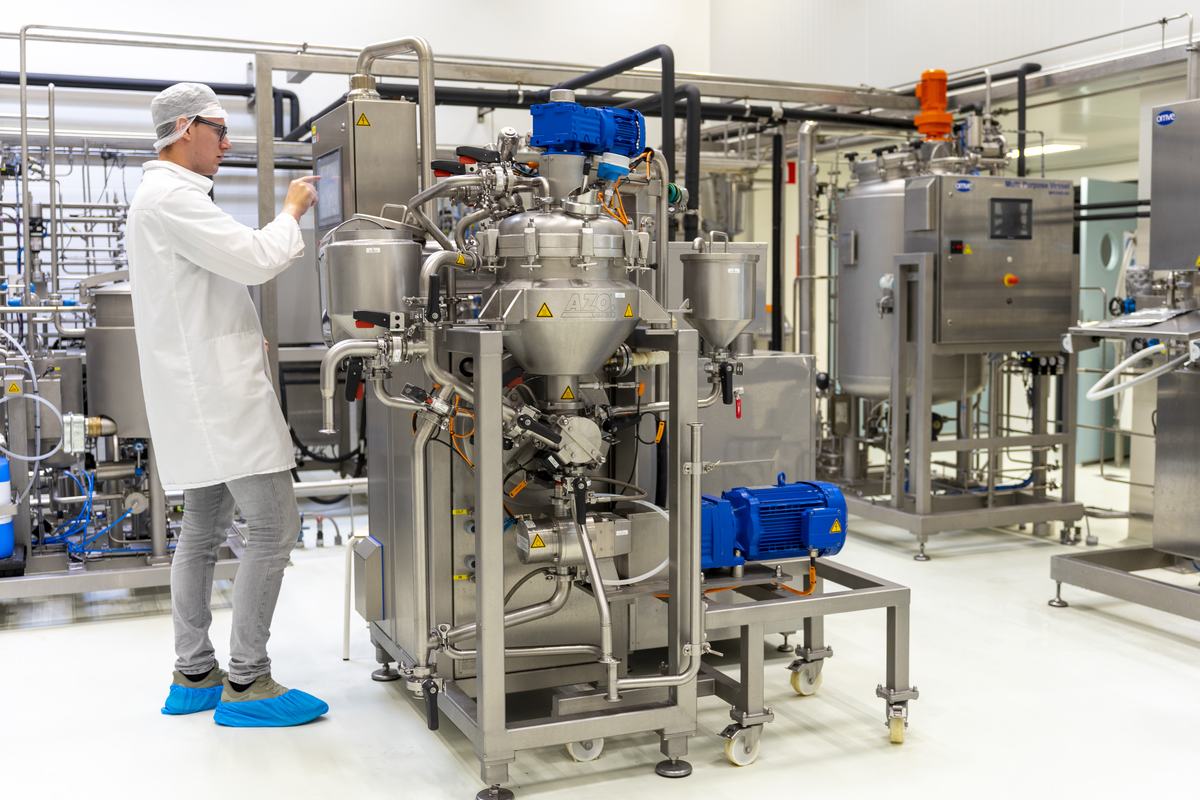
Concentrating products while maintaining quality
The evaporator makes it possible to concentrate liquid food products by removing part of the water. This results in a higher dry matter content, offering benefits for storage, transport, product quality and further processing.
Application: Concentrating liquid products to higher dry matter contents
Capacity: 400 L/h
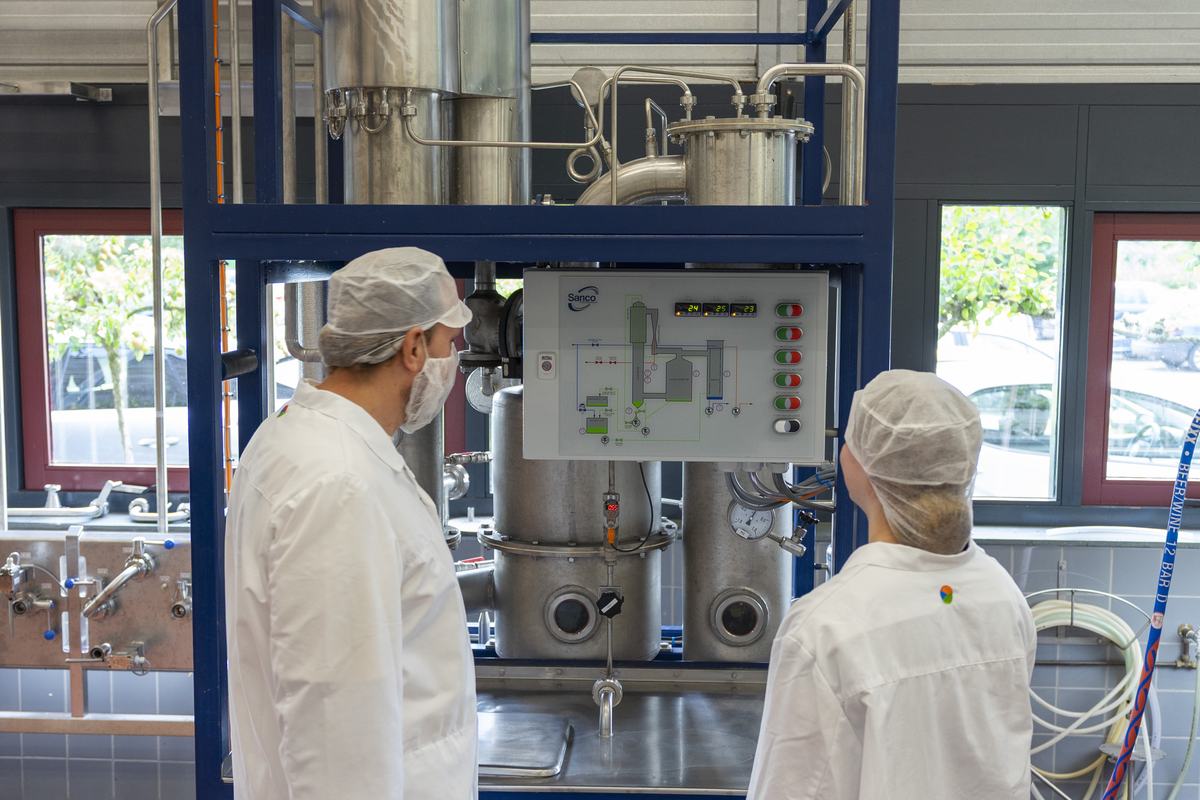
Improve texture, stability and mouthfeel
Optimise the structure of liquid products by reducing particle size and distributing ingredients evenly.
Application: Improving texture, stability and mouthfeel
Capacity: 50 L/h, up to 600 bar
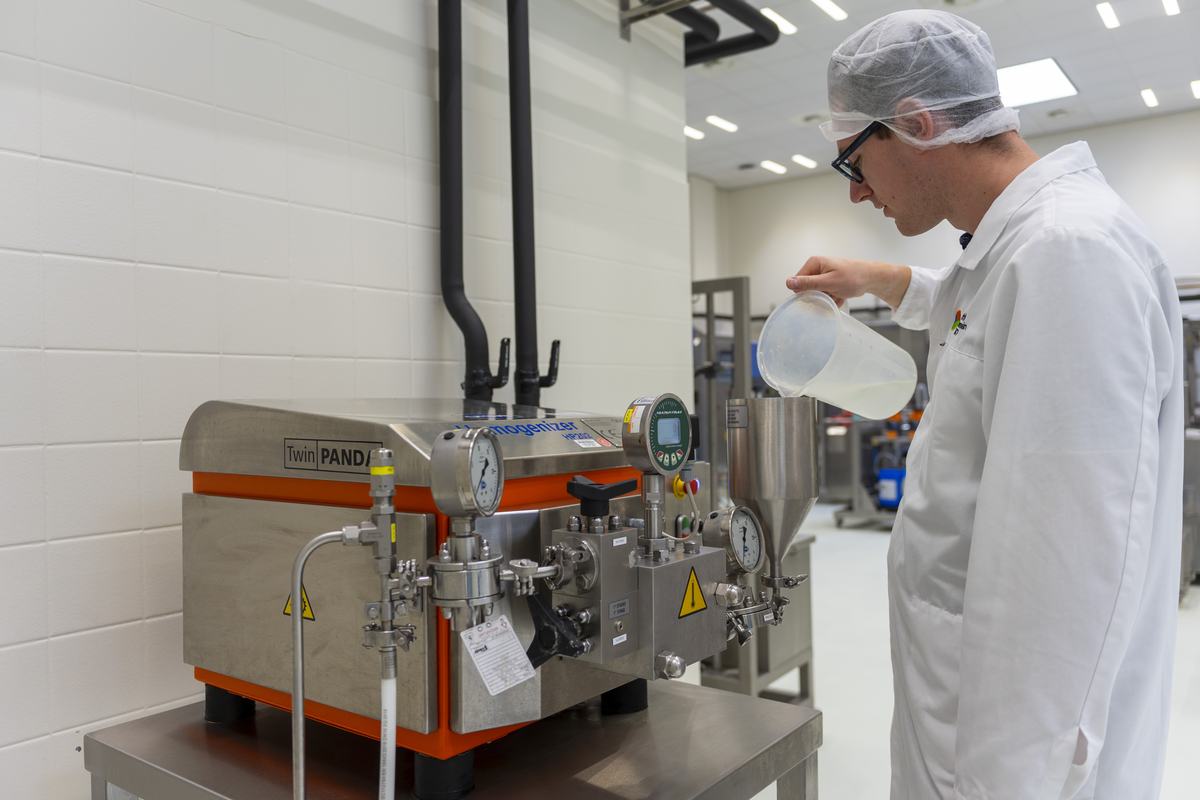
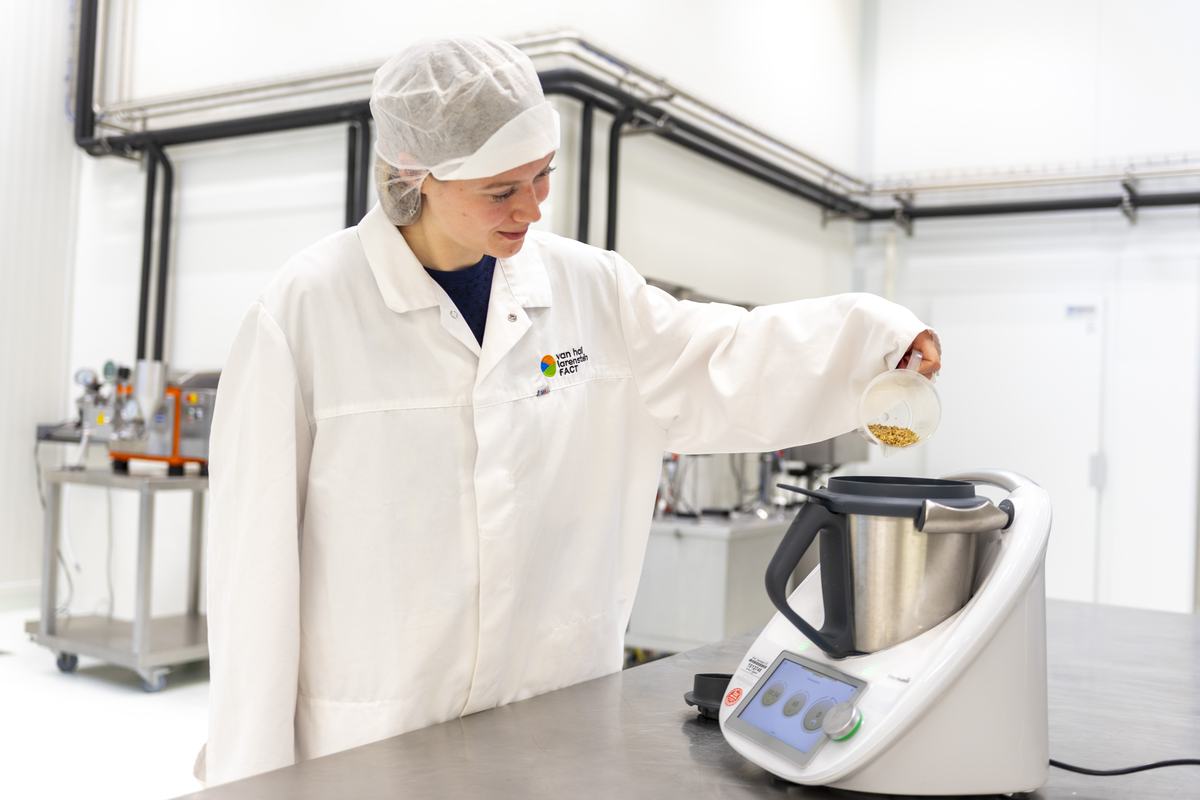
Heating, mixing and formulation
Develop new recipes and test process conditions on a small scale. Ideal for early-stage product development and proof-of-concept studies.
Application: Recipe development and small-scale trial production
Capacity: 2 L batches
Application: Controlled temperature and pH management for product development and fermentation.
Capacity: 4 × 5 L
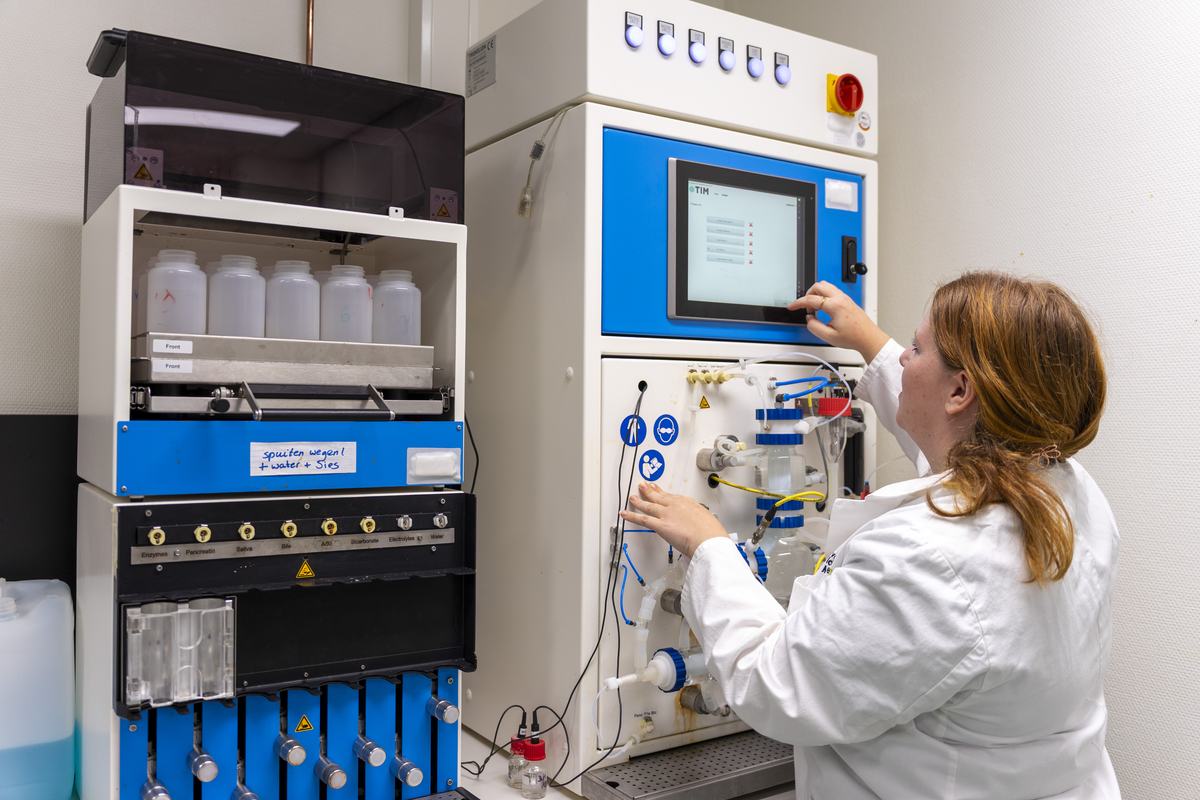
Simulating digestion without human test subjects
Investigate how food products and ingredients behave during digestion. This provides valuable insights into the availability and functionality of nutrients.
Application: Simulation of the human digestive process
Capacity: In vitro digestion model
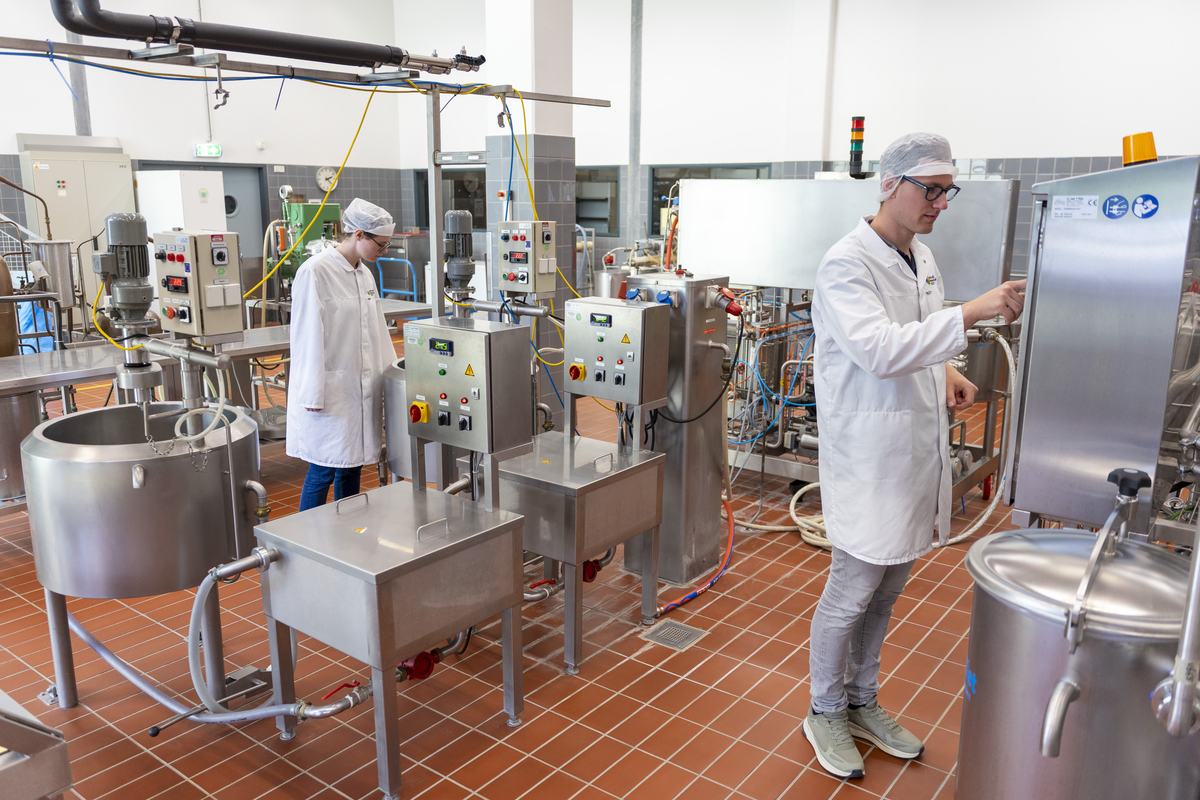
Small-scale cheese making
Develop, test and optimise (hybrid/vegan) cheese under controlled process conditions. The cheese-making line consists of a cream separator, thermiser, pasteuriser and two cheese vats. This makes it possible to validate recipes and processes before moving to industrial-scale production.
Application: Cheese development
Capacity: 2 × 50 L
Support product development and process optimisation with reliable analyses of raw materials, intermediate products and finished products.
Advanced component identification
HR-LCMS (High Resolution Liquid Chromatography Mass Spectrometry) enables food products and ingredients to be analysed in detail. The technique makes it possible to identify and quantify both known and unknown components.
Application: Identification and analysis of known and unknown components
Analyses: Ingredients, contaminants and bioactive compounds
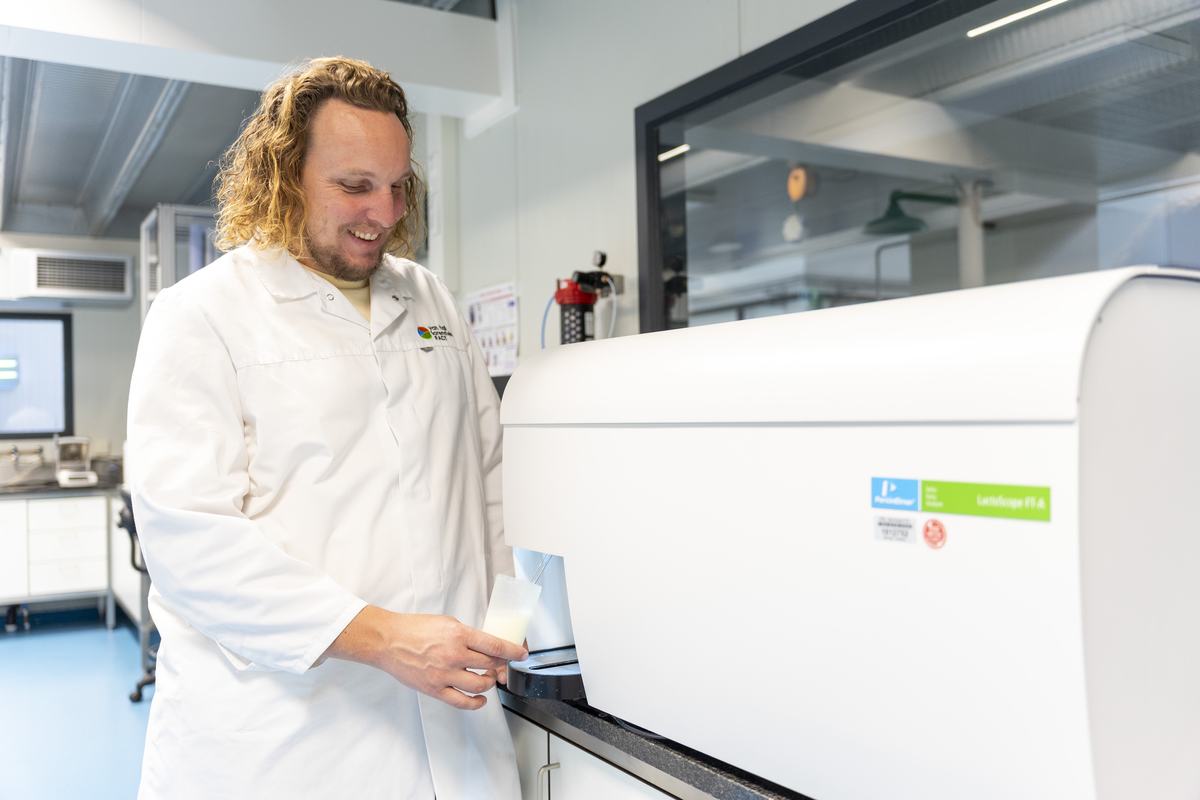
Rapid compositional analysis of dairy products
The Lactoscope provides rapid insight into the composition of milk and dairy products. This enables products to be efficiently monitored and compared during product development, quality control and research.
Application: Rapid compositional analysis of dairy products
Analyses: Fat, protein, lactose and dry matter
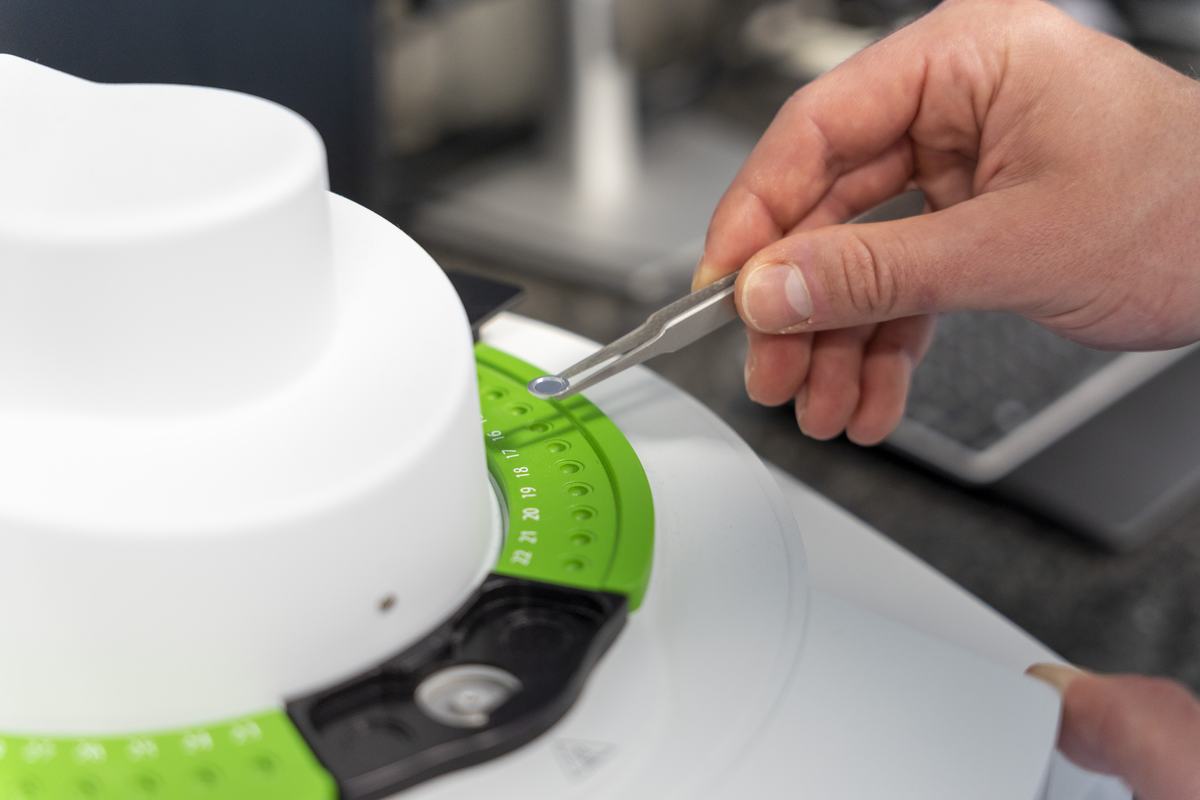
Insight into thermal properties
Differential Scanning Calorimetry (DSC) is used to investigate how ingredients and food products respond to changes in temperature. This helps optimise processing, storage and product stability.
Application: Investigation of the thermal properties of products
Analyses: Melting behaviour, crystallisation and protein denaturation
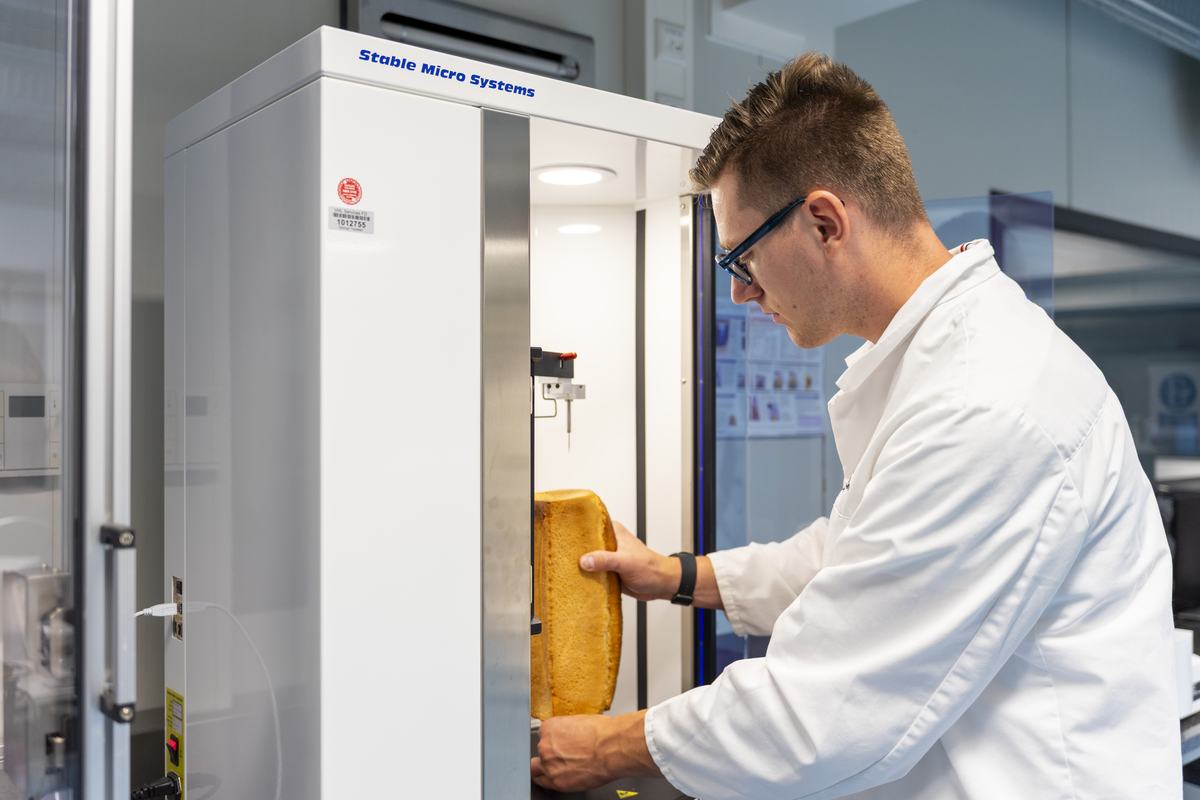
Objective assessment of baking performance
The bread volume meter accurately measures the volume of bread and other bakery products. This allows recipes and processes to be compared and optimised.
Application: Determining product volume and baking performance
Analyses: Bread volume and shape development
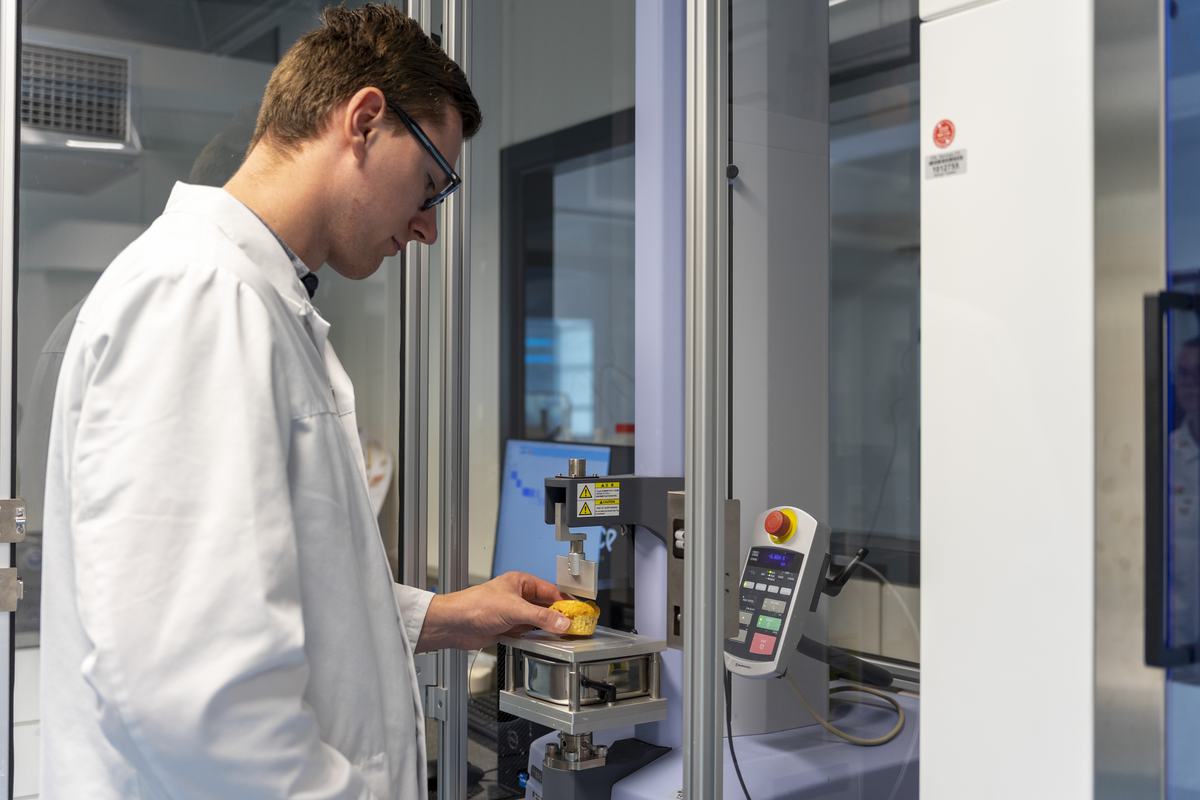
Measuring what consumers feel
The Texture Analyser objectively maps textural properties. This can be used to investigate how products behave during chewing, cutting, compression or stretching.
Application: Measuring texture and product properties
Analyses: Hardness, elasticity and firmness
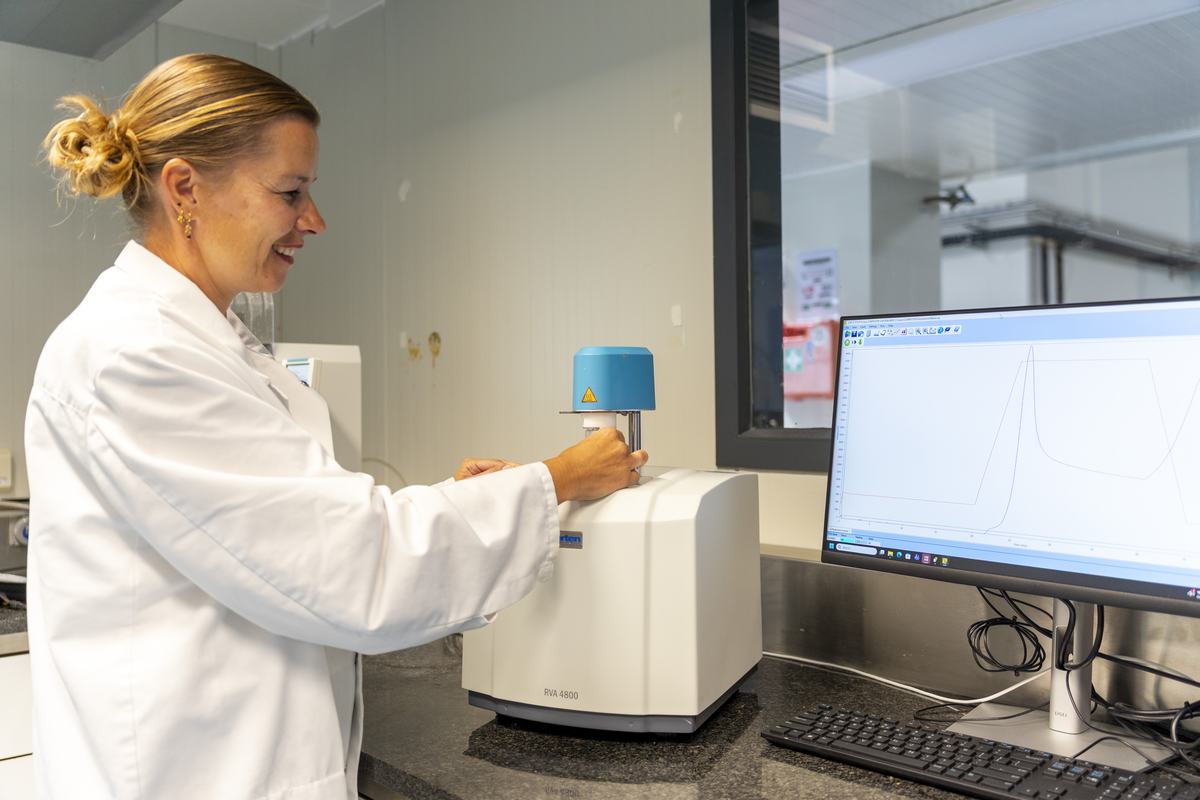
Processing properties of starch and grains
The Rapid Visco Analyzer (RVA) is used to investigate how starch-containing raw materials respond during heating and cooling. We can perform the standardised ISO methods. This provides important information for the development of food products and ingredients. The RVA can also be used to determine the gelling properties of proteins.
Application: Investigation of the processing properties of starch products
Analyses: Viscosity, gelatinisation and process behaviour
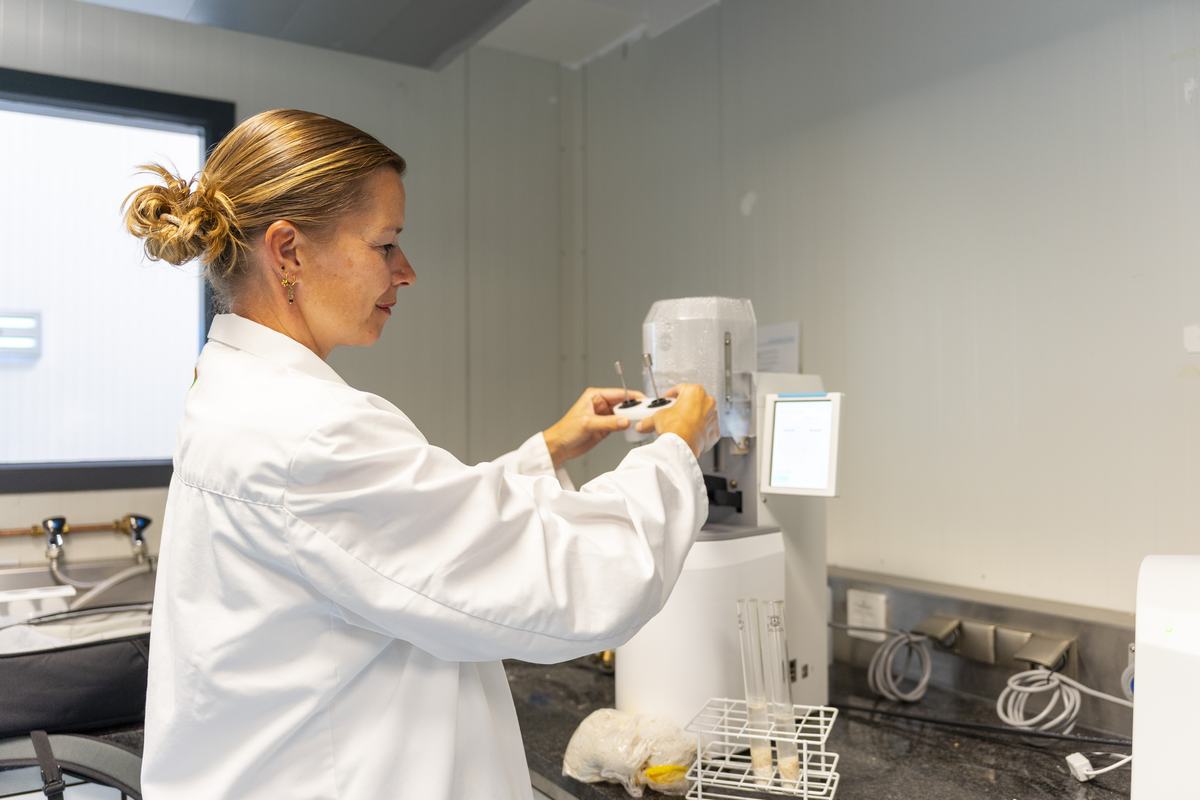
Assessing the quality of grains and flour
Falling Number analysis is used worldwide to determine enzyme activity in grains and flour. The results provide insight into the suitability of raw materials for bakery applications.
Application: Determining enzyme activity in grains and flour
Analyses: Baking quality and raw material quality
FACT's equipment is in active use! Students work with it on a wide range of projects. For example, they use the Digicooker and Fermentor to make hybrid yoghurt from cow's milk and plant-based dairy alternatives.
In the project "Return bread - a new sugar substitute", Van Hall Larenstein University of Applied Sciences (VHL) and companies from the confectionery and bakery sectors are working together on an application for return bread in food products.

Would you like to know what FACT can do for your organisation? Get in touch to discuss your challenge, product idea or development question. Together, we can determine which facilities, analyses, expertise or form of collaboration best meet your needs.
Contact Dennis ter Denge / 06-48691948, or Saskia van Gend / 06-47438324.