Waste Market
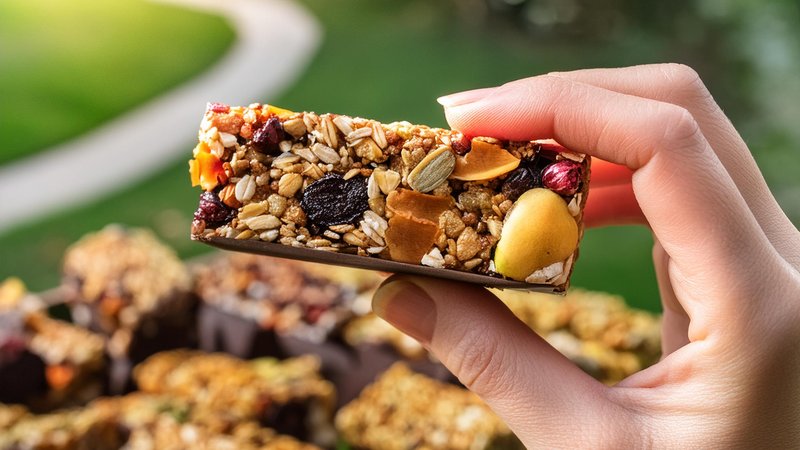
The aim of the project is to develop at least eight new products based on partners' residual streams.
Open days
-
Online Open Day
4 June



The aim of the project is to develop at least eight new products based on partners' residual streams.
Online Open Day
4 June
Online Open Day
4 June
The aim of the project is to develop at least eight new products based on partners' residual streams.
A lot of food is already lost during harvest. This has various causes. The harvest can partially or completely fail due to frost, wind, hail, drought, too much rain, or due to plant diseases. There is a lot of food waste due to technology, for example, by not harvesting efficiently. Some of the production can be left in the field, such as small potatoes that are not harvested by the potato harvester. It can also happen that products are deliberately not harvested because they do not meet certain product requirements. A food producer wants to have a good product that tastes good, is of good quality, and looks good. A producer often also wants products that look the same, such as only straight cucumbers, only red apples, or only straight carrots. Sometimes this is necessary because straight cucumbers are cheaper to transport than crooked ones or because the product fits better in cutting machines.
The aim of the project is to develop at least eight new products based on the residual flows of the partners. The newly developed products will be sensory tested by a (consumer) panel. This testing will take place during an event to be organized, such as a festival or a market.
The project delivers new products based on residual flows.
Applied Research Group: Lizette Oudhuis, Healthy Food and Nutrition
Project duration: 2020 - 2023
Project partners: Fjild, Greydanus Groothandel, and Kaaij Kwekerij