What is the case?
Since the 1970s, Caribbean coral reefs have significantly deteriorated, mostly due to climate change. In addition, the number of algae grazers was reduced substantially due to overfishing and diseases, leading to an explosive growth of algae. This algal growth hinders the recovery of coral reefs, which threatens essential ecosystem services in the Caribbean such as coastal protection, fisheries, and tourism.
What is the project doing to solve this?
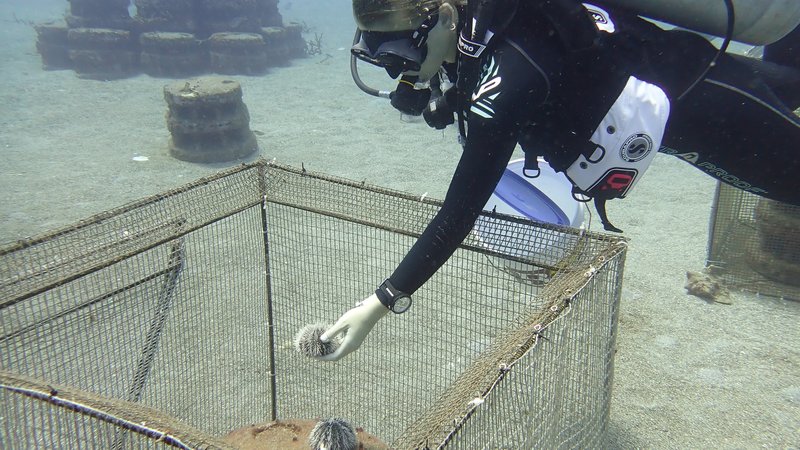
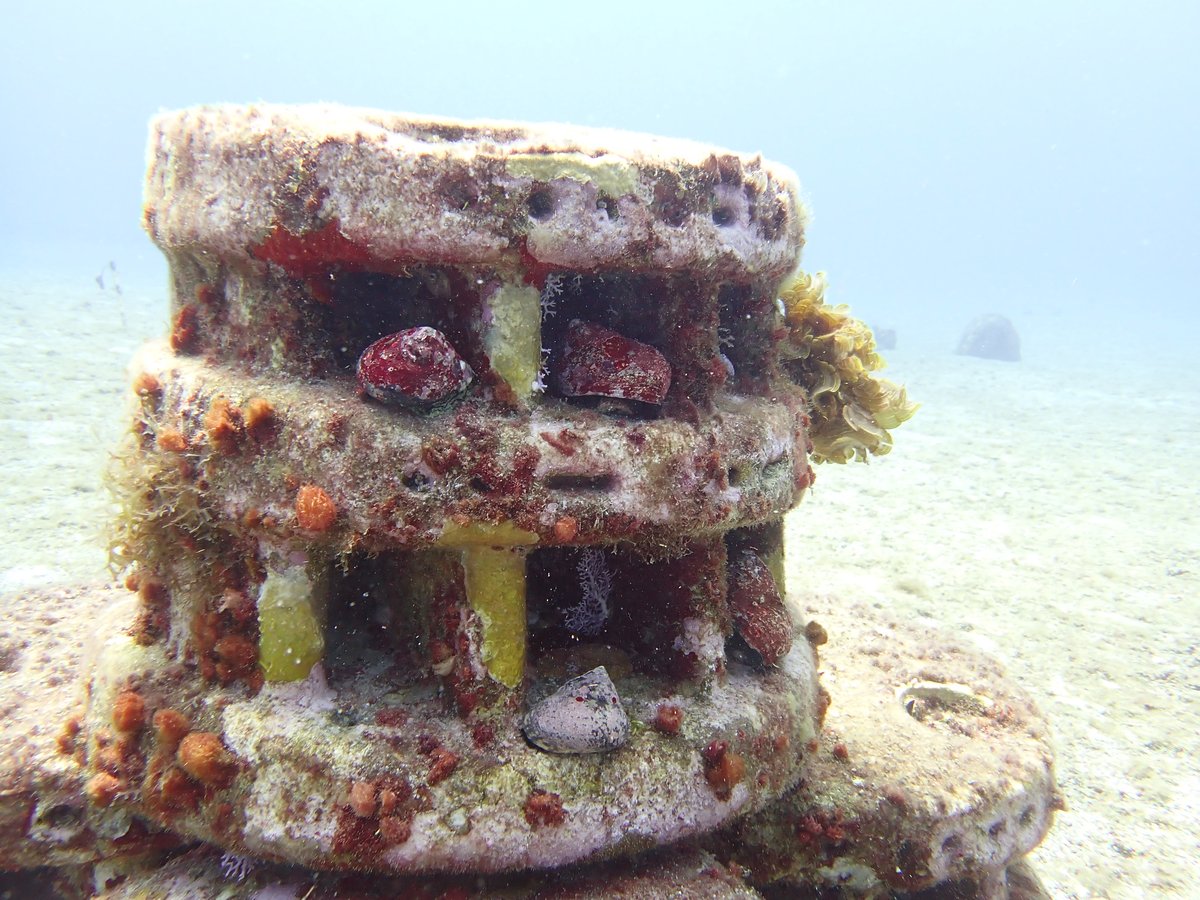
The ReefGrazers project focuses on the use of native algae-eating animals, such as the Caribbean king crab, the West Indian Sea Egg (sea urchin), and the West Indian Top Shell (whelk) to control algae growth. The project will study the current populations of these species and evaluate their impact on the reefs by conducting experiments that estimate the optimal density per animal for maximum grazing efficiency. Additionally, the interactions between the different animals will be studied, along with the extent to which they remain in the same area to graze after being released. This information will be used to determine which animals are best suited to control algae growth.
Furthermore, this project will explore the possibilities for sustainable fisheries based on restocked animals. This will be investigated by analyzing current local fishing practices and their socioeconomic value. Additionally, the perceptions of fishermen and the local population regarding the establishment of a commercial fishery for the restocked grazers will also be studied, as well as the existence of markets and value chains for their possible distribution.
What does the project deliver?
The ReefGrazers project provides valuable knowledge about the feasibility of using native herbivores to control algae growth on coral reefs. Additionally, it potentially offers new opportunities for sustainable fisheries. For this reason, the project has the potential not only to preserve the biodiversity of coral reefs, but also to contribute to the local economy in the Caribbean region.