PALUS DEMOS (PALUdiculture large-Scale DEMOnstrationS)
PALUS DEMOS will establish three large-scale paludiculture demonstration sites in three European countries to explore new agricultural business models and sustainable land-use practices.
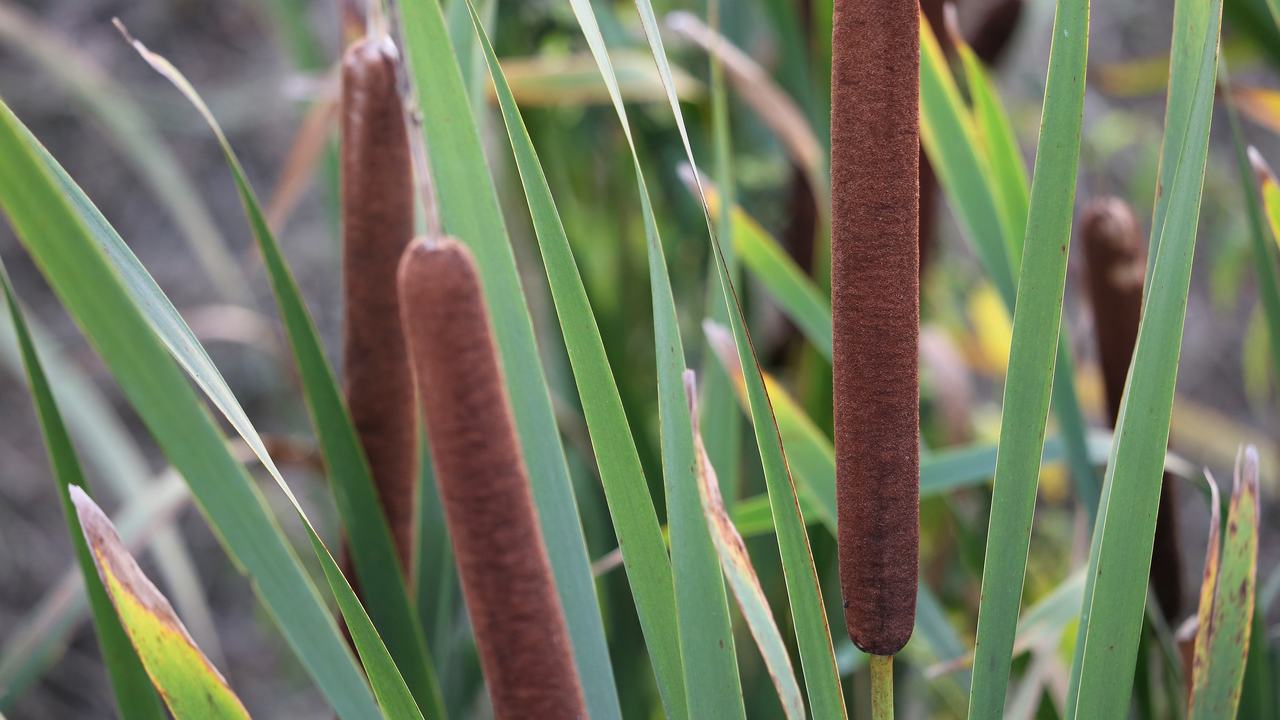


PALUS DEMOS will establish three large-scale paludiculture demonstration sites in three European countries to explore new agricultural business models and sustainable land-use practices.
PALUS DEMOS will establish three large-scale paludiculture demonstration sites in three European countries to explore new agricultural business models and sustainable land-use practices.
Europe was once rich in peatlands, but many have been drained for agriculture, development or peat extraction. Drainage causes peat oxidation and CO₂ emissions, while healthy peatlands store large amounts of carbon. Rewetting these areas could therefore contribute to Europe’s net-zero goals. At the same time, the EU aims to support farmers’ prosperity while meeting climate targets. This calls for collaboration between agricultural and environmental sectors to develop profitable and sustainable farming practices. Paludiculture, farming on wet and rewetted peatlands, offers a promising solution for both farmers and the environment.
PALUS DEMOS will establish three large-scale paludiculture demonstration sites in three European countries to explore new agricultural business models and sustainable land-use practices. The demonstrators will show how paludiculture can contribute to reduced GHG emissions, improved biodiversity and water quality, carbon storage and sustainable rural economies, in line with the objectives of the EU Green Deal.The project will bring together farmers, entrepreneurs, communities, policymakers, water and nature organisations, industry and academia. Through this bottom-up, co-creative approach, PALUS DEMOS will develop best practices, (socio-)economic models and long-term business plans, including the involvement of end users of the produced biomass. AI tools, developed together with stakeholders, will support evidence-based policymaking.The three demonstrators will serve as ‘lighthouses’ for stakeholders across Europe, demonstrating the potential of paludiculture as a climate-smart, future-proof form of agriculture. Policy recommendations will identify key enablers, barriers and policy gaps to support the wider uptake of paludiculture and the development of new markets.
The objectives of this project are:
Applied Research Group/researcher: Sustainable Water Sytems
Project duration: 02-2025 - 01-2029
Involved study programme: Environmental sciences
Budget: €9.999.435
Projectpartners: University of Galway, Manchester Metropolitan University, Struunhoeve Agri B.V., University College of Dublin, Landscape Finance Lab, Eurosite, FH Media, Bord na Mona, The Riverst Trust, Growing Media Ireland, Forum Connemara, Peatland Finance Ireland, Liverpool John Moores University, Natural England, IUCN UK Peatland Programme, Micropropagation Services, Wright Farm Product Ltd, Ponda Materials (Saltyco), Lancashire Wildlife Trust, The Andersons Centre, Van Hall Larenstein University of Applied Sciences, Hogeschool Utrecht, University of Amsterdam, Vrije Universiteit Amsterdam, Stichting Wetland Products, NABU.
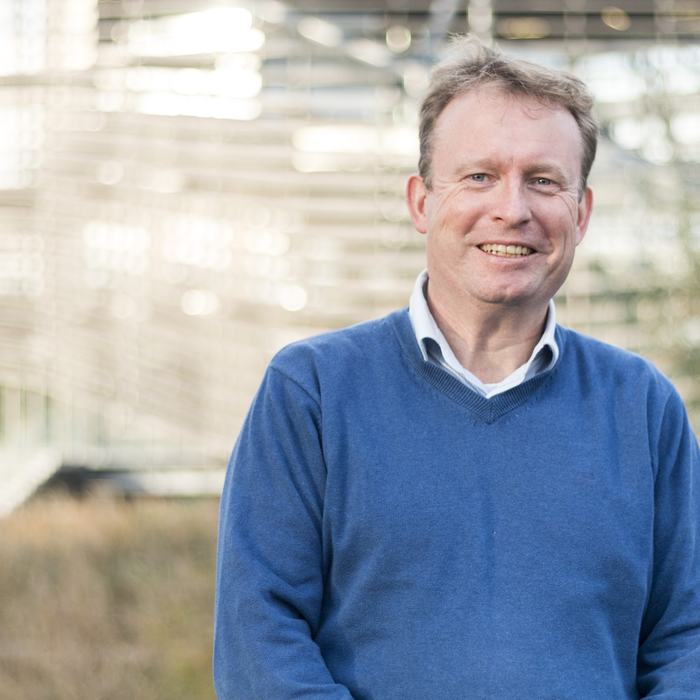
Professor Peter van der Maas studied Environmental Science at the Prof. H.C. van Hall Institute in Groningen, a predecessor of Van Hall Larenstein University of Applied Sciences (BSc, 1991). He then studied Environmental Hygiene at Wageningen University & Research (MSc, 1993). In 2005, he obtained his PhD from Wageningen University with an innovative concept for removing NOx from industrial flue gases.