Van Hall Larenstein University of applied sciences

Integrated approach to ammonia and methane through grazing and rationing

Research into measures that reduce emissions of methane and ammonia, and understanding the transfer to each other (positive for methane and negative for ammonia, or vice versa).

Open days

  • Online Open Day

    19 March

  • Online Open Day

    4 June

Integrated approach to ammonia and methane through grazing and rationing

Grasland met blauwe lucht

Open days

Research into measures that reduce emissions of methane and ammonia, and understanding the transfer to each other (positive for methane and negative for ammonia, or vice versa).

Reducing emissions from dairy farming

Emissions from dairy farming need to be reduced to meet various goals related to climate, nature, and public health. Ammonia emissions must be lowered to achieve nature conservation objectives (Natura 2000) and public health goals (Clean Air Agreement), while methane emissions need to be reduced in line with climate agreement targets. However, dairy farmers need clear action perspectives to achieve these reductions.

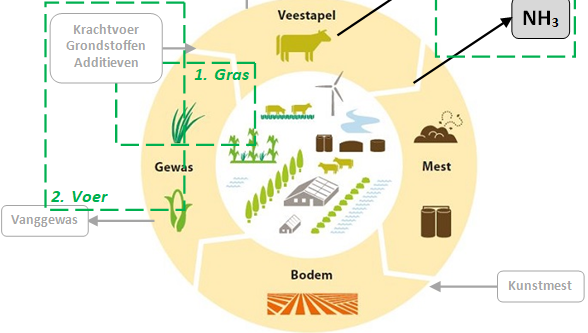
Kringloop melkveebedrijf, waarbij de focus van dit projectvoorstel is weergegeven. Doel: verlagen van ammoniak- en methaanemissie

What is the project doing about it?

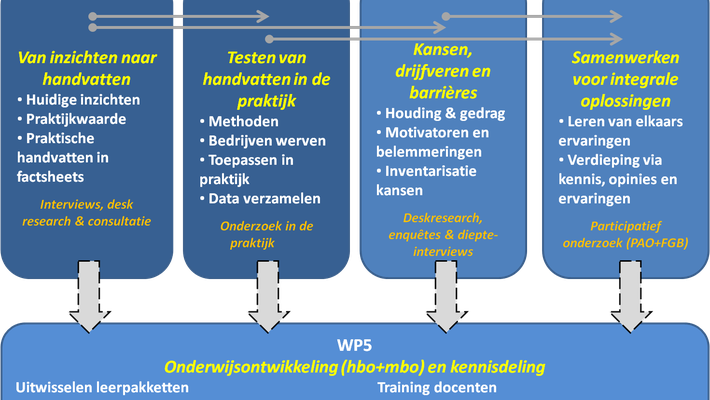
To take concrete steps, five interactive work packages have been designed as outlined below. The focus is primarily on the interpretation and applicability of recently completed research and, to a lesser extent, ongoing research from other research institutions (mainly Wageningen University & Research). The project examines both the technical feasibility and the impact of certain actions on the behaviour of dairy farmers.

Illustratie van 5 werkpakketten bij project aanpak methaan en ammoniak

What does the project deliver?

A coherent approach should lead to the reduction of both methane and ammonia emissions. Dairy farmers will have a clear understanding of the effects of certain feed and grazing management measures on methane and ammonia emissions, animal welfare and health, technical results, economic aspects, sustainability, and how to avoid unwanted repercussions given their specific (local) context. It is also important that this knowledge and these skills are transferred to daily practice and, through education, to the dairy farmers and advisors of the future.

More information

Professor: Robert Baars
Teacher-researchers: Ronald Zom, Martien de Haas, Marco Verschuur
Project duration: 2022-2026
Project partners: Aeres University of Applied Sciences (lead partner), HAS University of Applied Sciences, Aeres MBO, Yuverta, Sustainable Dairy Chain, ZLTO, Arvalis/LLTB, Barenbrug, Agrifirm NWE, Mineral Valley, Qlip, PPP-Agro Advies, and 6 agricultural enterprises.