Effective control of tuber cyperus
Research into the usage and effectiveness of alternatives to chemical control of tuber cyperus, such as electro-physical technology.
Open days
-
Online Open Day
4 June



Research into the usage and effectiveness of alternatives to chemical control of tuber cyperus, such as electro-physical technology.
Online Open Day
4 June
Online Open Day
4 June
Research into the usage and effectiveness of alternatives to chemical control of tuber cyperus, such as electro-physical technology.
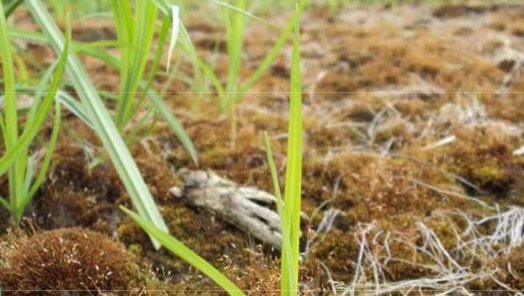
In weed control, including the control of nutsedge (Cyperus esculentus), chemical agents are often used. Nutsedge is a very persistent weed that can cause significant damage to agricultural and horticultural crops. When an infestation is detected, the user of the plot must take measures to destroy the nutsedge and prevent its spread. As chemical control is increasingly being restricted, alternatives such as the use of electro-physical technology are being sought. The question is whether this method is viable.
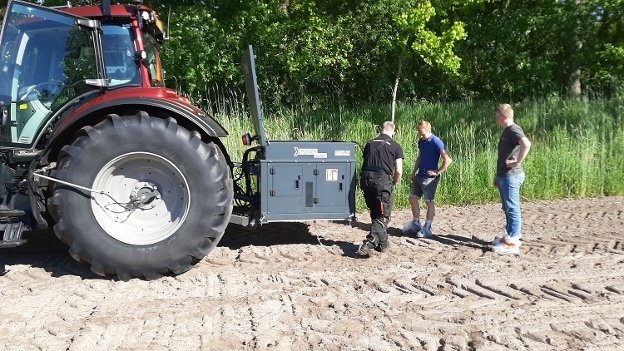
The project explores the viability of this technology in several ways. First, field trials are conducted to investigate the practical effectiveness (e.g., the frequency of treatments needed) of electro-physical technology in controlling nutsedge. Since the application is new, the project also examines the impact of the method on soil condition, quality, and life. Field trials are conducted with several farmers who have plots infested with nutsedge to measure the effect of the new application on nutsedge itself and on soil condition and quality. In the greenhouse, the new application is tested on nutsedge to observe any possible effects on soil life. Besides effectiveness and impact, the project also studies how the technology can be implemented in the practical services of contracting companies.
The project will deliver a research report with the findings of the trials and a practical advisory brochure. Entrepreneurs participating in this research will gain immediate insights into the effectiveness of this new method and its impact on the soil condition and quality of their plots. Participating industry organisations will ensure that the knowledge is disseminated to all relevant parties in practice. By involving teacher-researchers, the acquired knowledge is also integrated into education, with students actively participating in the project.
Professors:
Wiepk Voskamp, Animal & Environment
Emiel Elferink, Sustainable Soil Management
Project duration:
2020 - 2022
Project partners:
Funding:
This research is co-financed by the SIA governing body, part of the Dutch Research Council (NWO).
Presentaties symposium Knolcyperus (*.pdf, 11,5mb)