Van Hall Larenstein University of applied sciences

Sustainable Water Systems

Practice-oriented research into securing sufficient clean freshwater for drinking water, nature, agriculture, recreation and industry. By developing practice-oriented knowledge, concepts and tools.

Open days

  • Online Open Day

    19 March

  • Online Open Day

    4 June

Sustainable Water Systems

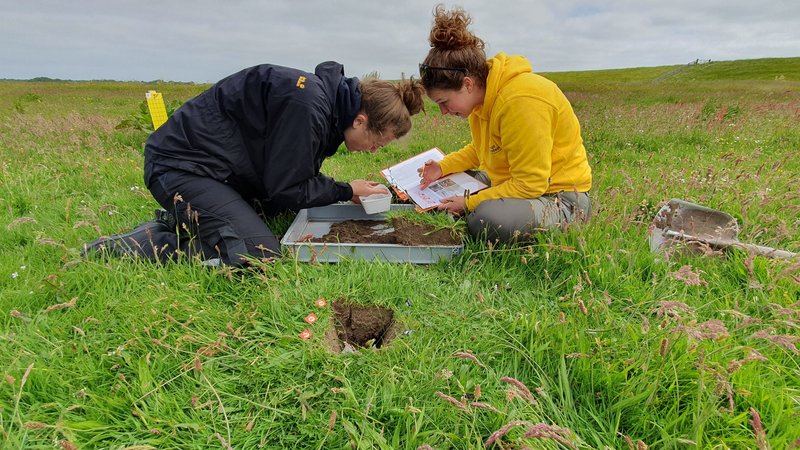
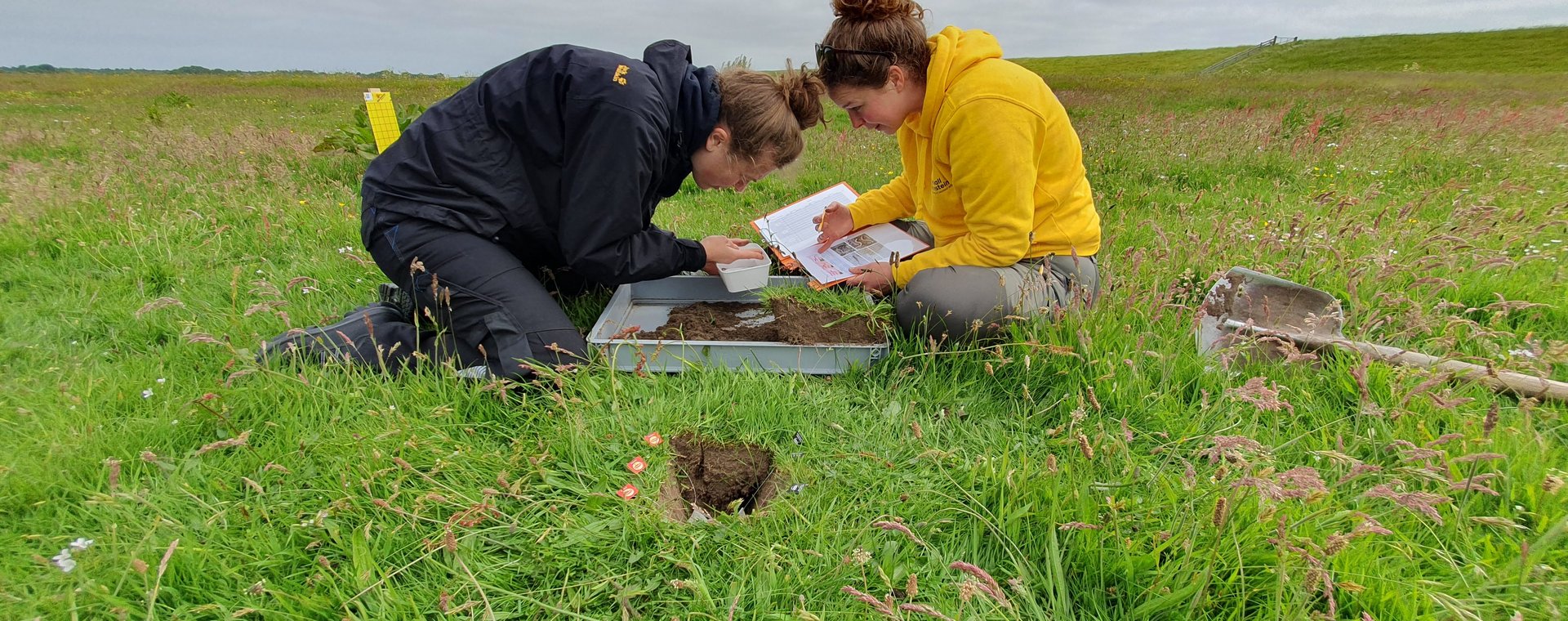
Onderzoekers nemen monsters van verzilte grond op Terschelling.

Open days

Practice-oriented research into securing sufficient clean freshwater for drinking water, nature, agriculture, recreation and industry. By developing practice-oriented knowledge, concepts and tools.

Water quality

Sufficient and clean freshwater is essential, but not guaranteed. Therefore, as a society, we have the task of keeping clean water available for people, nature, agriculture, and industry, now and in the future. Together with various partners, the Applied Research Group for Sustainable Water Systems is researching how we can make our water system future-proof.

Why this applied research group?

Why this applied research group?

  • Water forms the basis for our food, our prosperity, and a healthy living environment. However, the availability and quality of water are under pressure, both in the Netherlands and beyond.
  • For instance, we use more clean freshwater due to more intensive agriculture, population growth, and increased prosperity. Our groundwater and surface water are being polluted with micro-contaminants such as pesticides and pharmaceuticals. Additionally, climate change is leading to more frequent droughts and waterlogging.
  • This tension field is the working area of the Applied Research Group for Sustainable Water Systems.
  • Together with students and lecturers from Van Hall Larenstein University of Applied Sciences, the Centre of Expertise Water Technology (CEW), governments, businesses, and interest groups, the applied research group develops practice-oriented knowledge, concepts, and tools.

In this way, we are working towards a future-proof water system.

Mission & vision

Mission & vision

The mission of the applied research group is to ensure the availability of sufficient and clean freshwater for its users, such as agriculture, nature, drinking water supply, recreation, and industry. To achieve this, we develop and share applied knowledge on a scientific basis, contributing to sustainable innovations in practice.

We operate from the vision that this practice-oriented knowledge development is an important foundation for integrated and sustainable water management, both in urban and rural areas. Our research connects various disciplines, such as water technology, (eco)hydrology, toxicology, and economics. Additionally, it bridges the gap between knowledge institutions and society (including businesses, governments, and citizens).

Research lines

Research lines

All research by the Applied Research Group for Sustainable Water Systems focuses on three central knowledge questions:

  1. How can we reduce pollution of groundwater and surface water? So that standards are no longer exceeded, and water quality no longer threatens the well-being of humans and animals.
  2. How can we retain more water in urban and rural areas? How does this align with land use (such as food production), natural values, promoting biodiversity, or natural water purification? And can such multifunctional use increase the societal value of water conservation and rewetting?
  3. How can we contribute to the preservation of sufficient and clean freshwater through the reuse of water flows (thus reducing water cycles)?

Through its research, the Applied Research Group contributes to the transitions outlined in the university's institutional plan: 'Growing as Experts in Transition'. Primarily to the changes concerning climate adaptation and mitigation, and sustainable water management. And secondarily to the transition to sustainable agriculture and food, and a sustainable living environment. The institutional plan implements transition-oriented education, where we create a more direct connection between education and research. In Living Labs, we collaborate on the four transitions.

Projects

Projects

The research projects that the applied research group is working on or has worked on focus on: keeping water clean, retaining water, and circular water.

Recent projects

  • Future-proof polder Terschelling: With 18 partners, we are researching how water management on Terschelling can become future-proof.
  • Clean water through sustainable soil management: What is the impact of soil management and organic matter management on the breakdown of crop protection products? And how can we increase the purifying capacity of agricultural soils to reduce the pollution of groundwater and surface water?
  • Peat Meadow testbed - water quality and field emissions: For water managers and farmers, we are researching whether they can take more effective measures to improve water quality with real-time insight into water quality.
  • BioFiltrEva: With this innovative purification installation for wash water from agricultural vehicles, we enable the reuse of wash water.
  • Effluent for economy and ecology
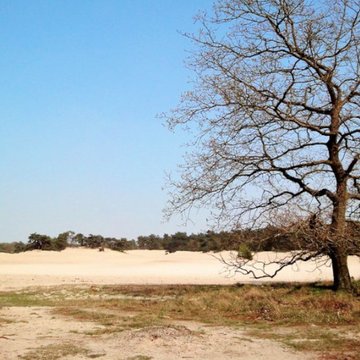
  • Improving freshwater management on sandy soils
  • WaterScape: In a large consortium of parties, we are developing innovative narratives for water landscapes to support the water transition.
  • Peat Meadow Innovation Programme Netherlands (VIPNL): Can wet crops (such as bulrush and reed) provide a sustainable alternative or supplement to dairy farming in peat areas with high water levels?
  • Area-based water approach for milk and climate: Climate change is making the sandy regions in East Friesland increasingly vulnerable to drought. We are working with farmers, water authorities and local collectives on an area-based approach to improve water retention and thereby reduce drought damage.

Completed projects

Publications

Publications

Climate-resilient water management in the Frisian sandy soils (Dutch): How can hydrological measures to retain water in sandy areas help make agriculture and nature less sensitive to prolonged drought periods? This report from Wageningen Livestock Research, Badus Bodem & Water, and Van Hall Larenstein University of Applied Sciences provides answers.

Climate-adaptive business parks (Dutch): How can governments engage entrepreneurs to make existing business parks more climate-adaptive, nature-inclusive, and attractive? This publication by Hanze University of Applied Sciences Groningen and Van Hall Larenstein University of Applied Sciences focuses on this issue.

You can find all publications of the applied research group on Greeni, the online library of the green universities of applied sciences.

Knowledge network

Knowledge network

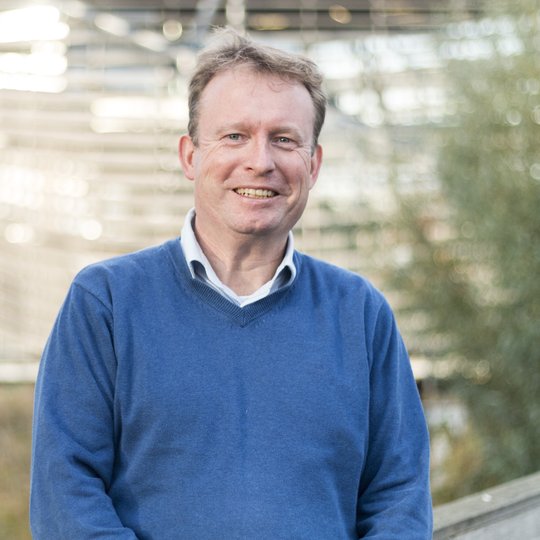
The knowledge network of the applied research group consists of Professor Peter van der Maas and a core group of lecturers, researchers, and other professors.

  • Dr. ir. Peter van der Maas - Lecturer Sustainable Water Systems
  • Ing. Johan Medenblik - Researcher-lecturer Environmental Science
  • Marelle van der Snoek MSc - Researcher Sustainable Water Systems
  • Jesse Wagenaar BSc - Research Assistant Sustainable Water Systems
  • Tsjippie Visser BSc - Research Assistant Sustainable Water Systems
  • Marit Pistor BSc - Junior Programme Manager Applied Research Centre
  • Dr. ir. Sigrid Dassen - Senior Researcher Sustainable Soil Management
  • Erica Mosch MSc - Programme Manager Applied Research Centre
  • Sytse de Vries BSc - Junior Researcher Environmental Science
  • Halbe Huitema MSc - Researcher-Lecturer Business Administration and Agribusiness
  • Sandra Bruinenberg MSc - Researcher-Lecturer Environmental Science

The applied research group Sustainable Water Systems works closely with students and lecturers from various programmes at VHL:

Want to know more?

Want to know more?

Want to know more about the applied research group? Curious about collaboration opportunities? Or interested in an internship or graduation project? Call or email:

Dr. ir. Peter van der Maas
Lecturer Sustainable Water Systems

E-mail: peter.vandermaas@hvhl.nl
Phone: +31 6 20 61 46 37