Protein Transition
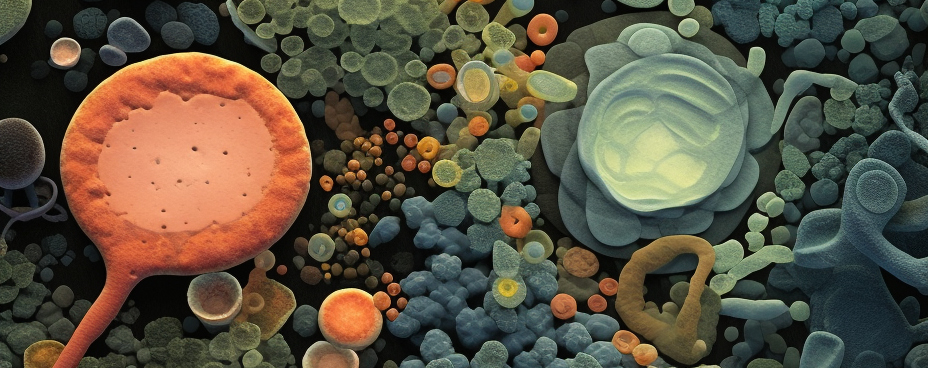
Research on micro-organisms for a healthy soil and vital crops with good nutritional value and taste.
Open days
-
Online Open Day
4 June



Research on micro-organisms for a healthy soil and vital crops with good nutritional value and taste.
Online Open Day
4 June
Online Open Day
4 June
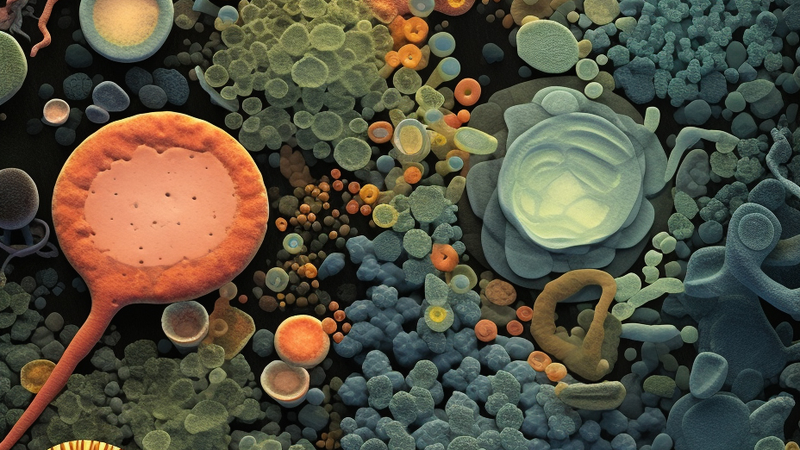
Research on micro-organisms for a healthy soil and vital crops with good nutritional value and taste.
How can we continue to feed a growing world population in the coming years with our current environmentally damaging consumption patterns? With more plant-based food and alternative proteins. The Applied Research Group for Protein Transition investigates how microorganisms contribute to healthy soil and vital crops with good nutritional value and taste, ultimately leading to healthy people. Additionally, it also focuses on the application of microorganisms as a high-quality protein source for human consumption, with sustainability and human health as important criteria.
The Applied Research Group for Protein Transition has a mission to disseminate and apply knowledge about the microbiome. This brings together the aspects of protein production and consumption, and the research group contributes uniquely to the transition from animal proteins to more plant-based and alternative proteins in our diet. This is done in harmony with nature and health and in line with the national protein strategy.
The applied research group has four research lines, with microbiology as the central theme.
The research conducted by the Applied Research Group for Protein Transition contributes to knowledge dissemination within and outside our university. We ensure our knowledge is visible, available, and usable, and implement it within transition-oriented education.
More information about protein transition, the role of microorganisms in this, and the research of the applied research group is available in the inaugural address brochure. Here, you can read more about practice-oriented research and projects and topics such as protein production and consumption, the challenges of the agro-food system, agriculture and the environment in relation to the protein transition, and microorganisms as directors of the sustainable protein transition.
Read the full inaugural address
To determine whether self-initiated dietary changes can improve mental and somatic symptoms in relatively healthy individuals, former PhD student Anouk Willems worked on the project "Eating for Science" at Van Hall Larenstein in Leeuwarden, in collaboration with the University of Groningen. Indeed, we have demonstrated that a self-initiated dietary change can lead to a significant reduction in mental and somatic symptoms. Improved mental and somatic health was associated, among other things, with a reduced intake of the "Processed Foods" diet pattern (such as sweets, snacks, and cookies) and an increased consumption of vegetables and fruit.a
You can find all publications of the applied research group on Greeni, the online library of the green universities of applied sciences. Or check ResearchGate
The multidisciplinary knowledge network for Protein Transition consists of a core team made up of a professor and core researchers. These core researchers are internal (VHL) experts in the four research lines. Colleagues interested in integrating research into education are also involved. The knowledge network collaborates with multiple external partners who regularly participate in the applied research group's meetings.
We collaborate with these knowledge partners:
Partners
Learning and Knowledge Centre Soil , Biosintrum, ECOstyle BV, University of Groningen (RuG), Fascinating programma, Wetsus, Louis Bolk Institute, Bac2Nature, Leiden University, Fjildlab, BERNN, LTO Noord, ENZA Zaden, Bioclear Earth, Bakery Sweets Center, Northern Netherlands Provinces, Municipality of Súdwest Fryslân ,Municipality of Groningen (Alderman for Protein Transition) , Various agricultural collectives, advisors, and associations (Mulder Agro, Galama Solutions, Northern Fryske Wâlden, Ecolana, Botmas Farm Foods), Netherlands Nutrition Centre (Voedingscentrum) , JOGG (Youth at a Healthy Weight) , Jong Leren Eten (Learning to Eat Young) .
We focus on disseminating knowledge about the microbiome and applying it to balance protein production and consumption. The opportunities to collaborate on the transition to a more sustainable and healthier food system excite us. If you are interested in exploring collaboration opportunities, research partnerships, or simply want to contribute to the future of food, please contact us met ons op.
Martina Sura
Professor of Protein Transition
E-mail: martina.sura@hvhl.nl
Phone: +316 104 087 93
Steering soil microbiomes for better crop quality - the holy grail to improve human health
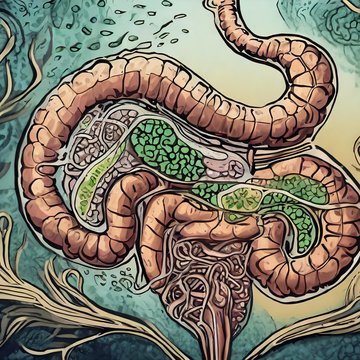
In this project, we are conducting pioneering research on the relationship between the soil microbiome, nutrients in grassland, and the milk composition of dairy farmers in Friesland.
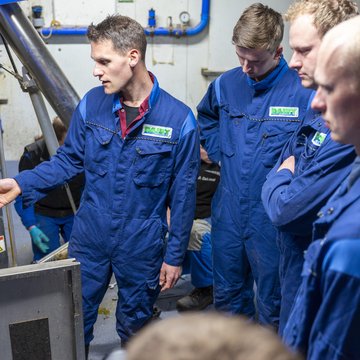
Less dependence on chemicals and labour, more space for and connection with ecology.
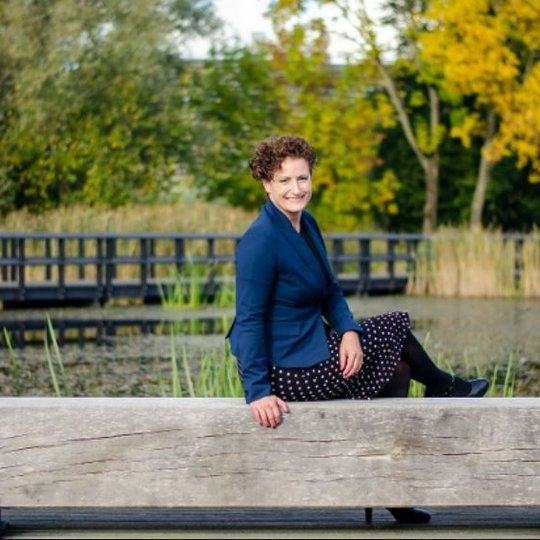
"It is my mission to translate existing knowledge and gather new knowledge about the microbiome to use it for protein production and consumption. One that is in harmony with nature and our health."