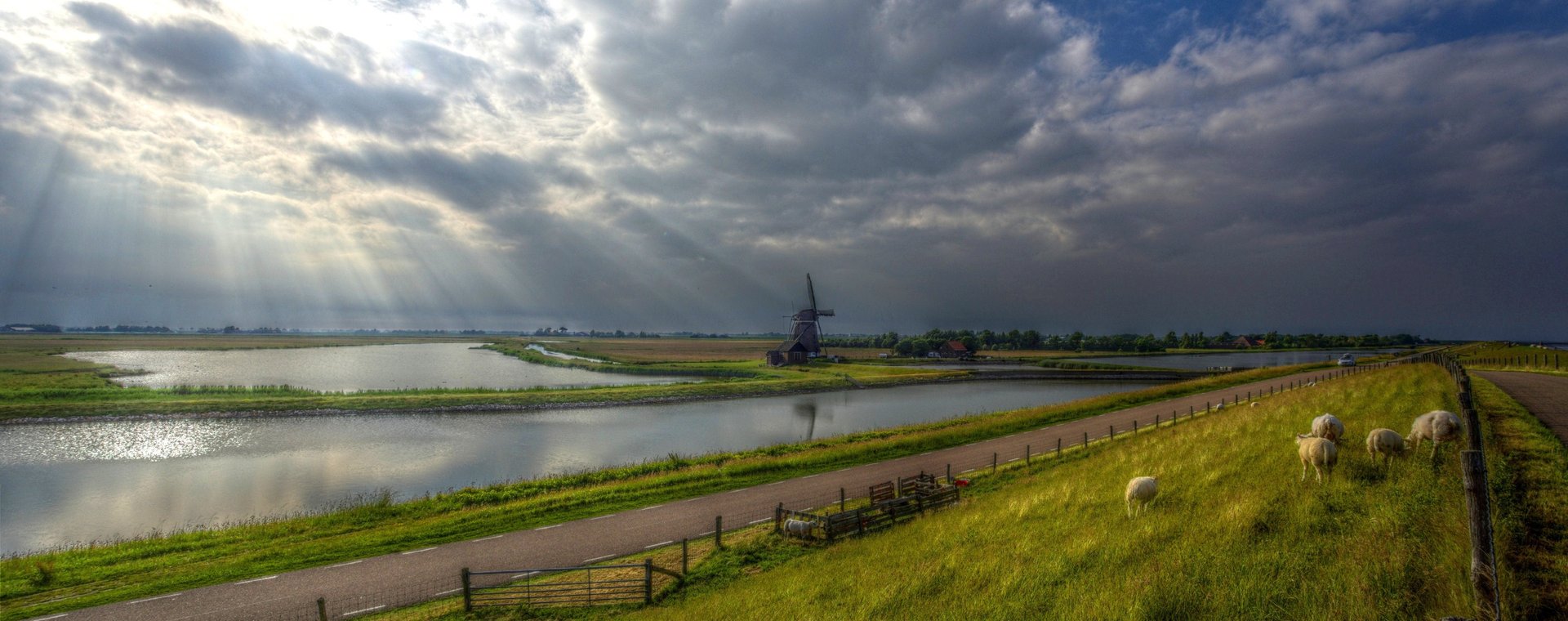
Nature Based River Management
Practice-oriented research revolving around the transition tasks of climate change and sustainable management of rivers and streams.
Open days
-
Online Open Day
4 June



Practice-oriented research revolving around the transition tasks of climate change and sustainable management of rivers and streams.
Online Open Day
4 June
Online Open Day
4 June
Practice-oriented research revolving around the transition tasks of climate change and sustainable management of rivers and streams.
High water levels and drought, reduced biodiversity, and deteriorating water quality in our rivers and streams. These problems call for nature-based solutions and sustainable management. The applied research group Nature Based River Management develops practical knowledge about ‘nature-based solutions’. With a central role for natural processes and climate buffers. We restore and stimulate these natural processes to make rivers and streams more resilient to the impact of climate change. We also research and monitor which interventions are necessary for this.
The applied research group Nature Based River Management contributes to new knowledge and insights into natural river management and nature-based solutions. The goal is to make river and stream valley water systems climate-resilient and sustainable, providing space for nature development and restoration as well as sustainable usage functions. This is achieved through applied research and close collaboration with society and businesses.
These are the five research lines the applied research group works with:
Together with practical partners, the applied research group develops and shares knowledge about nature-based solutions for problems in the watersheds of rivers and streams. Part-time students in the Land and Water Management programme (Dutch), for example, explore nature-based solutions to make the water distribution at the Pannerdensche Kop split point future-proof. They examine upstream possibilities, downstream effects, and historical developments in the area.
The applied research group Nature Based River Management publishes articles in professional journals for the blue-green sector and in scientific journals. We involve students as much as possible in these publications so they can share the knowledge and insights from their research with the professional field.
All publications from the applied research group can be found on Greeni, the online library for green higher education.
The applied research group has gathered a circle of researchers and stakeholders around it. In research projects, we collaborate intensively, seek alignment, and communicate about it. We also explore new ideas, develop research proposals, and exchange information. As a knowledge network, we meet several times a year and organize a workshop for a broad group of participants.
We join forces with these knowledge partners:
Students from various programmes at VHL conduct research or do internships at the applied research group, including:
Want to know more about the applied research group for Nature Based River Management? Curious about collaboration opportunities? Or interested in an internship or graduation project? Call or email:
Dr. ir. Jantsje van Loon-Steensma
Professor Nature Based River Management
E-mail: jantsje.vanloon@hvhl.nl
Phone: +31 26 369 58 28
Together with practical partners, the applied research group develops and shares knowledge about nature-based solutions for problems in river and stream catchment areas.
Recente overstromingen en het hoge water rond kerst 2023 door extreme regenval maken duidelijk dat het ook belangrijk is om naar de kleinere rivieren te kijken.
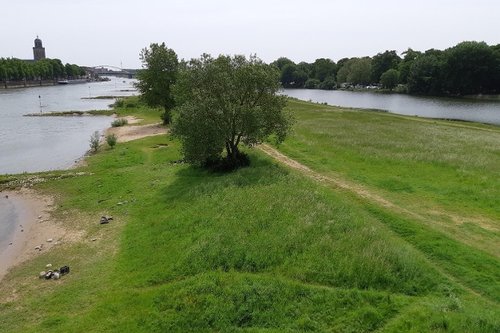
In the project Sods for the (Green) Dyke, VHL investigates whether dredged sludge is suitable for developing green, strong, and biodiverse dyke coverings.
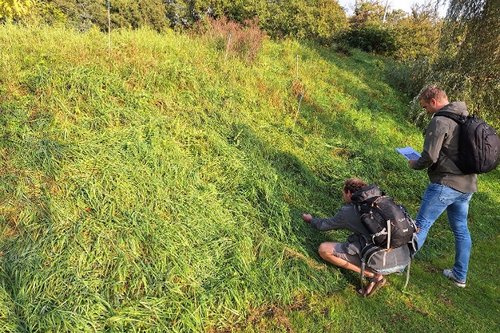
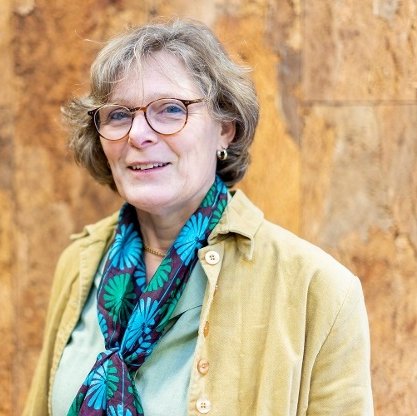
"Together with students and researcher-lecturers, I want to learn from nature-based solutions for rivers and streams. I want to see what their combined effect is on climate adaptation and mitigation, biodiversity, and water quality. Together, we can then contribute to a sustainable future where soil and water are guiding principles."