Inclusive Nature Conservation
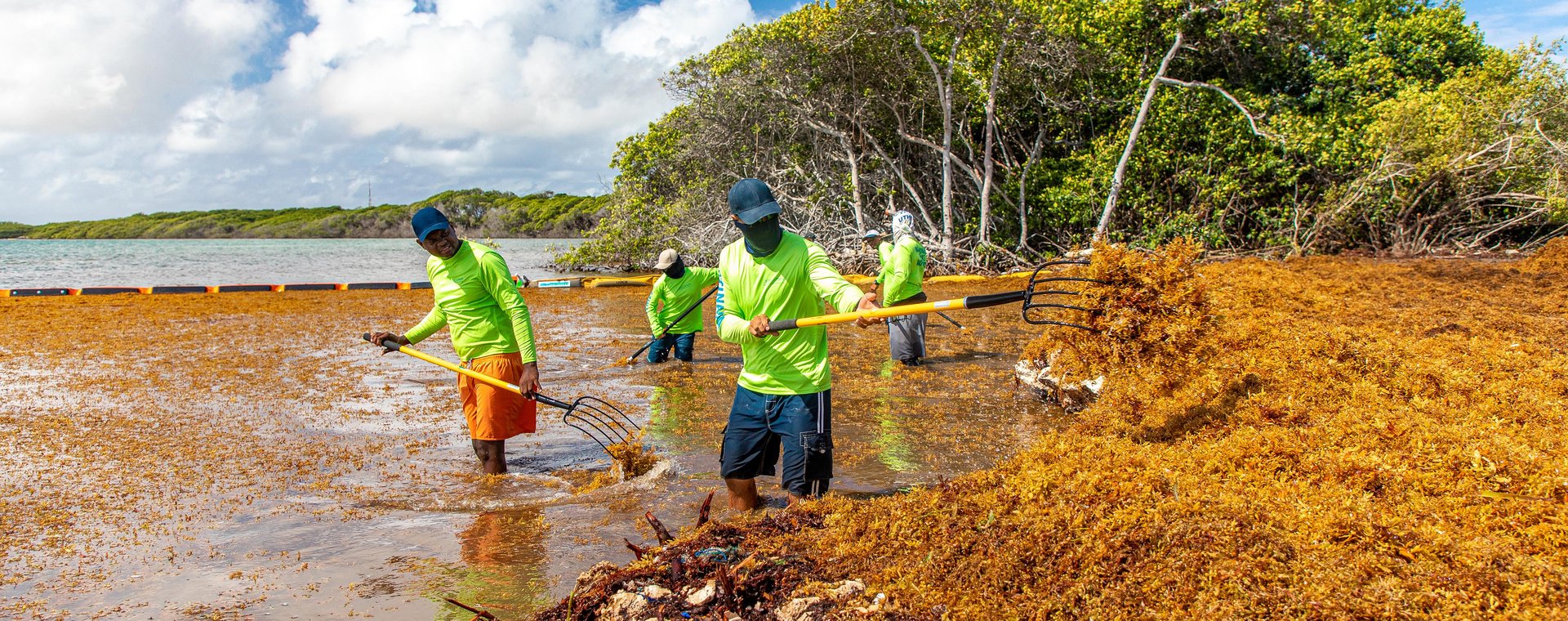
The applied research group Inclusive Nature Conservation conducts practice-oriented research on the sustainable use, conservation and restoration of nature.
Open days
-
Online Open Day
4 June



The applied research group Inclusive Nature Conservation conducts practice-oriented research on the sustainable use, conservation and restoration of nature.
Online Open Day
4 June
Online Open Day
4 June
The applied research group Inclusive Nature Conservation conducts practice-oriented research on the sustainable use, conservation and restoration of nature.
Due to climate change, pollution, and overexploitation, tropical forests and coral reefs are under pressure. This threatens biodiversity and the livelihoods of Indigenous Peoples and local communities. The applied research group Inclusive Nature Conservation therefore conducts practice-oriented research into nature conservation, environmental justice, and poverty reduction.
By conducting practice-oriented research, the applied research group helps to sustainably use, conserve, and restore biodiversity, and to strengthen the livelihoods and rights of Indigenous Peoples and local communities.
The applied research group Inclusive Nature Conservation conducts practice-oriented research into the sustainable use, conservation, and restoration of nature.
These are the three research lines the applied research group works with:
Community-based nature management: Local communities play a central role in sustainable land use and nature conservation. But they cannot do it alone. How can governments and social organisations best support and scale up local initiatives?
Environmental justice: Environmental crime causes significant damage to nature and the environment and threatens the livelihoods of local communities. How can we strengthen the monitoring and enforcement of nature and environmental legislation?
Ecological restoration: By restoring degraded ecosystems, we contribute to the livelihoods and well-being of local communities. However, projects to remove invasive plant and animal species or to reintroduce potentially dangerous species are often controversial. How can we create local support for ecological restoration?
Geographically, the applied research group focuses on the Caribbean Netherlands (Bonaire, Saba, and Sint Eustatius). There, the applied research group - together with social organisations and local governments - carries out practice-oriented research projects.
For example, on Bonaire, we collaborate with the Bonaire National Parks Foundation (STINAPA) to strengthen the management of the Bonaire National Marine Park. Additionally, we are committed to the restoration of coral reefs and small-scale fisheries on the islands.
The scientific publications from the applied research group Inclusive Nature Management stem from practice-oriented research into nature conservation, environmental justice, and poverty reduction.
All publications from the applied research group can be found on Greeni, the online library for green higher education.
The applied research group collaborates closely with several conservation organisations, such as:
In the Caribbean Netherlands, there is intensive collaboration with:
Students from various programmes at VHL conduct research or undertake internships with the applied research group, including:
Want to know more about the applied research group Inclusive Nature Conservation? Curious about collaboration opportunities? Or interested in an internship or graduation project? Call or email:
Dr. Jan van der Ploeg
Lector Inclusive Nature Conservation
E-mail: jan.vanderploeg@hvhl.nl
Telefoon: +31 6 22 40 85 14
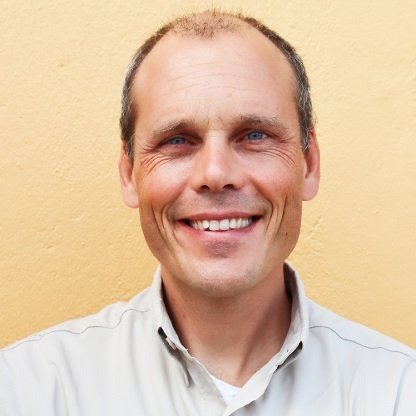
“As an applied research group, we strive to bridge the gap between scientific research and nature conservation. We translate scientific knowledge into practice. And we support conservation organisations and local governments in seeking effective, fair, and practical solutions to sustainably use, conserve, and restore biodiversity.”