Van Hall Larenstein University of applied sciences

Communication, Participation & Social-Ecological Learning (CoPSEL)

Research into the processes of communication, participation, and social-ecological learning in regional, national, and international transitions.

Open days

  • Online Open Day

    19 March

  • Online Open Day

    4 June

Communication, Participation & Social-Ecological Learning (CoPSEL)

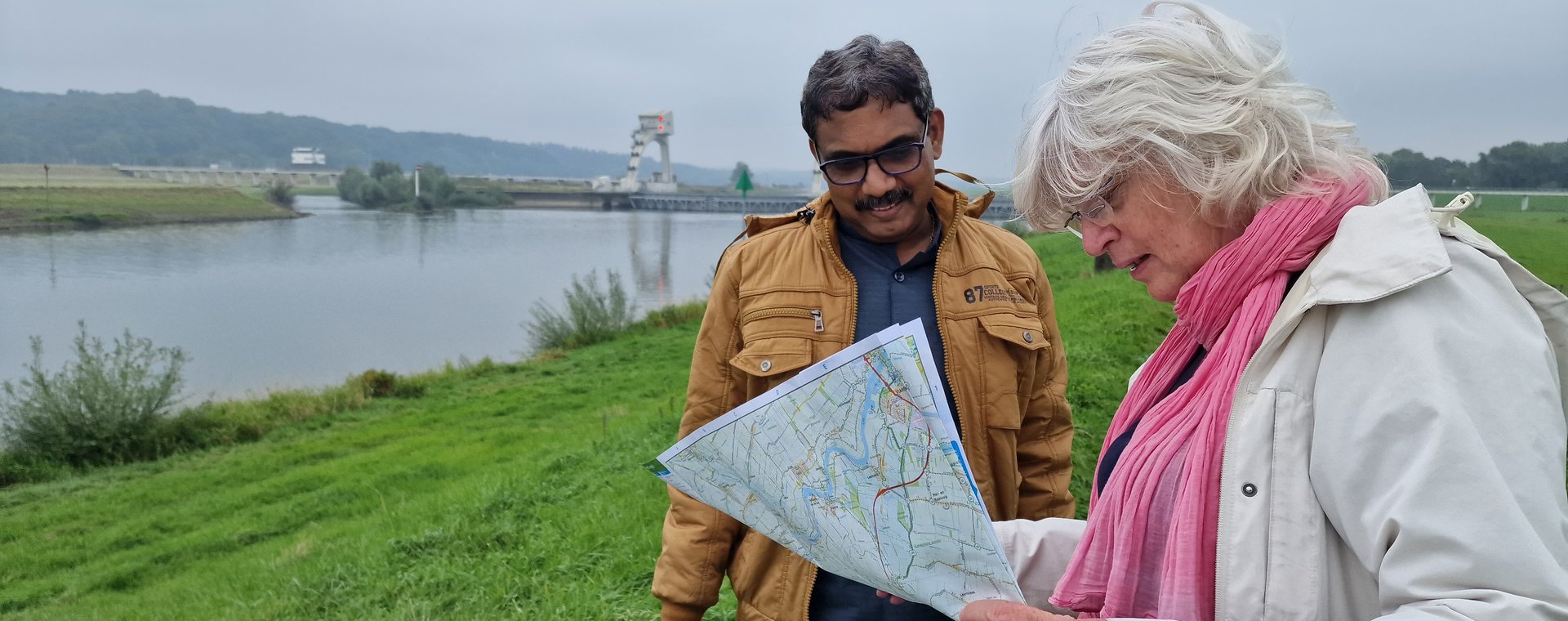
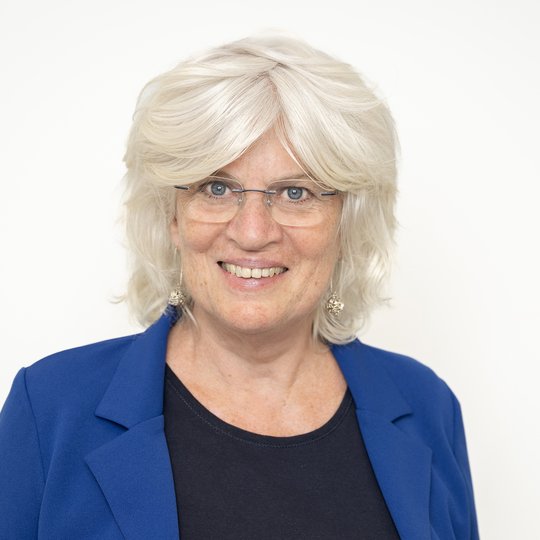
Lector Loes Witteveen bekijkt het gebied samen met een partner

Open days

Research into the processes of communication, participation, and social-ecological learning in regional, national, and international transitions.

Interplay of knowledge

The applied research group for Communication, Participation & Social-Ecological Learning (CoPSEL) is - quite literally - at the heart of society. Through action research, we work on knowledge creation, inclusive governance, and social dialogue. This encompasses issues such as climate adaptation, sustainable water management, biodiversity restoration, food security, and nature conservation. In this way, we contribute to a more sustainable and just world.

Why this applied research group?

Why this applied research group?

  • The objective of CoPSEL is to stimulate participation and dialogue to develop sustainable solutions for complex problems in the green-blue domain.
  • To achieve this, we design learning environments, methods, and tools, such as dialogue and policy processes for peatland conservation, river management, and urban climate adaptation.
  • At the start of our work, we first create a clearer picture of the (complexity of the) social issue at hand. We draw on natural science aspects, such as nitrogen measurement, and also incorporate the social science perspective, such as an analysis of the involved parties.
  • We do this because humans are central to the major contemporary problems. Humans drive, make policies, and choose between short-term and long-term needs. Consequently, humans are the ones who create problems but also can provide solutions.
  • CoPSEL employs 'design thinking' to develop innovative solutions, utilizing tools such as serious games, films, and community art.
Mission & vision

Mission & vision

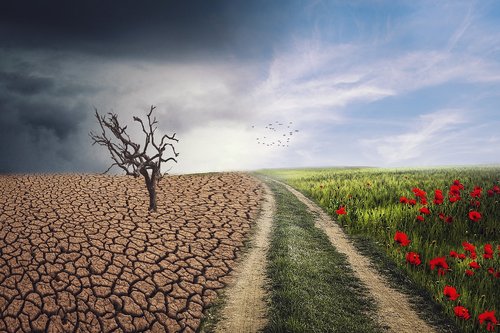
Climate change, biodiversity loss, and resource scarcity require shared visions for transitions towards a sustainable future. As an applied research group, we contribute to the processes leading to these transitions. We ensure that everyone has a voice, including groups that are seldom heard and the 'silent majority'.

We also anticipate the dilemmas this brings. For instance: Are the right players involved? What knowledge needs to be accessible and understandable? Have we considered the time participants have? And how is feedback managed so that all stakeholders know what happens with their input?

Research lines

Research lines

In each study, the Applied Research Group for Communication, Participation & Social-Ecological Learning (CoPSEL) focuses on one of these three research lines:

  • Public participation in system transitions: In discussions about climate and biodiversity, we aim to involve citizens more inclusively and equitably. For example, in a participation process, we use filmed interviews to hear the stories of people from various sectors and backgrounds.
  • Transdisciplinary collaboration in partnerships: In so-called Living Labs (real-life research environments), we investigate how different parties can improve their collaboration and communication. This aims to enhance their engagement in sustainable transitions.
  • Design thinking, social imaginaries, and learning environments: Using design thinking and social imaginaries, we can better understand people and their needs. This aids in designing smarter and more accessible learning processes for sustainable transitions.
Projects

Projects

The projects in which CoPSEL plays a role take place both domestically and internationally. These range from backyards in Dutch cities to the Wadden Sea, and from Indonesian farmlands to the tiger conservation area in the Himalayas. For instance, in Dordrecht, we collaborate with vocational students on soil research, while in Sulawesi, we are designing a digital platform for farmer groups.

Current projects

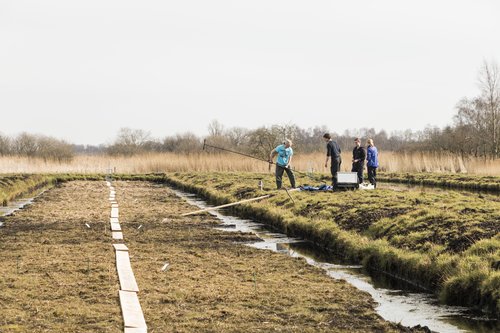
Peatland Restoration and Sustainable Development: Due to drainage and soil subsidence, peatlands emit significant amounts of greenhouse gases, posing a global problem. Therefore, we are committed to peatland conservation. In Europe, we are developing the learning environment www.peatland.eu, and in Indonesia, www.peatland.asia.

Collaborating in Living Labs: In a Living Lab, we can innovatively address complex societal issues together with governments, residents, knowledge institutions, and entrepreneurs. In the European project Invest4Excellence, we are creating a handbook to guide Living Lab facilitators through the complexities of these environments.

Mediated Participation: In sustainability transitions, it is crucial to involve stakeholders using innovative methods like the Visual Problem Appraisal (VPA). We apply this approach in the Netherlands for the Rhine branches and the Wadden area, in India for Kerala’s Coast, and in Ghana for Flavours of Cocoa and Chocolate.

Food Resilient Futures: A consortium of Dutch universities of applied sciences and Caribbean partners is working on sustainable food systems through a participatory process. We train Caribbean youth studying in the Netherlands to become 'youth facilitators', who will conduct workshops in Living Labs on Bonaire, Saba, and Sint Eustatius, aiming for a healthy local food supply.

Citizen Participation in Climate Adaptation: Under the banner of 'The Resilient Garden', CoPSEL investigates the motivations and barriers for citizens to green their backyards. We aim to stimulate people to contribute to garden greening and increase citizen participation. Students involved in this project also enhance their research capacities.

Nature Conservation and Stewardship: Using a social-ecological system analysis, we support policymakers and managers of nature and landscape conservation in Nepal. By involving local communities, we consider their needs and opinions. To understand the interaction between them and the landscape, we use poetry, art, and role-playing games.

Innovative Learning Environments: In regional Living Labs, students collaborate with various groups to enhance their theoretical knowledge, practical skills, and professional and personal growth. For example, students of the Master River Delta Development program work with the support of CoPSEL researchers.

Inclusive Water Management: The voices of young people with a migration background are often missing in visions of a sustainable green-blue future. In the project 'Hip-Hop Hydrological Opera', we address this issue. Using music, film, poetry, and art, we raise awareness of water issues in various parts of the country.


Publications

Publications

We publish the results of our research in scientific publications and articles, as well as in research reports. This makes them accessible to various societal stakeholders, such as students, policymakers, scientists, and businesses. We also use more creative forms of documentation, including film productions and serious gaming.

Highlighted publications

Publication overview

All publications of the Applied Research Group can be found on Greeni, the online library for green higher professional education.

Knowledge circle

Knowledge circle

The Applied Research Group is part of the Applied Research Centre (ARC) at Van Hall Larenstein University of Applied Sciences in Velp. Here, six colleague researchers exchange knowledge and expertise with one another. We also closely collaborate with the research groups at our Leeuwarden campus.

Beyond the university, we join forces with research groups from national and international universities of applied sciences and universities, and with various organisations such as Staatsbosbeheer, Rijkswaterstaat, municipalities, and NGOs.

Students from multiple bachelor’s and master’s programmes work at CoPSEL on their internships, research projects, or graduation assignments. For example:

Want to know more?

Want to know more?

Interested in learning more about the Applied Research Group for Communication, Participation & Social-Ecological Learning? Curious about collaboration opportunities? Or interested in an internship or graduation project? Email us at:

Highlighted projects

The projects in which CoPSEL plays a role take place both domestically and internationally. These range from backyards in Dutch cities to the Wadden Sea, and from Indonesian farmlands to the tiger conservation area in the Himalayas.