Climate Smart Dairy Value Chains
Research into how chain cooperation can both technically and organisationally contribute to climate-responsible dairy farming.
Open days
-
Online Open Day
4 June



Research into how chain cooperation can both technically and organisationally contribute to climate-responsible dairy farming.
Online Open Day
4 June
Online Open Day
4 June
Research into how chain cooperation can both technically and organisationally contribute to climate-responsible dairy farming.
The Climate Smart Dairy Value Chains (CSDVC) research group focuses on climate-smart dairy farming. For example a sustainable increase in productivity, the adaptation or mitigation of environmental impacts. And reducing greenhouse gas emissions such as nitrogen (ammonia) and carbon footprint (sum of carbon dioxide, methane and nitrogen oxides). The applied research group is researching how the technical and governance aspects of value chain partnerships can contribute to achieving these aims.
The CSDVC research group promotes the integration of education and practice by conducting relevant research and active engagement of students, teachers and business partners. It contributes to responsive, transparent, sustainable dairy farms and dairy chains and encourages dialogue with society.
This applies to all research lines: “in the Netherlands and to low and middle income countries”:
The first research line deals with technical aspects, while the second and third deal with human choices.
The applied research group CSDVC works on various projects at both national and international levels, focusing on climate-resilient dairy farming, sustainable chain development, and business and capacity building. The projects are categorized as follows:
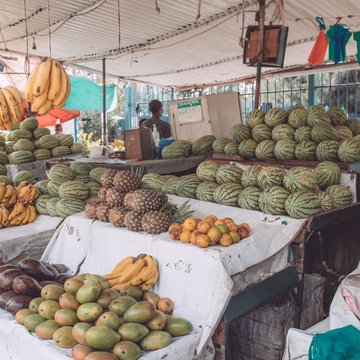
Food waste reduction and food quality living lab (FORQLAB): Losses and waste in the avocado and dairy chains in Kenya, focusing on technical and socio-economic interventions.
Integrated approach to ammonia and methane through grazing and rationing: Measures that reduce methane and ammonia emissions and reveal their interdependencies (positive for methane and negative for ammonia, or vice versa).
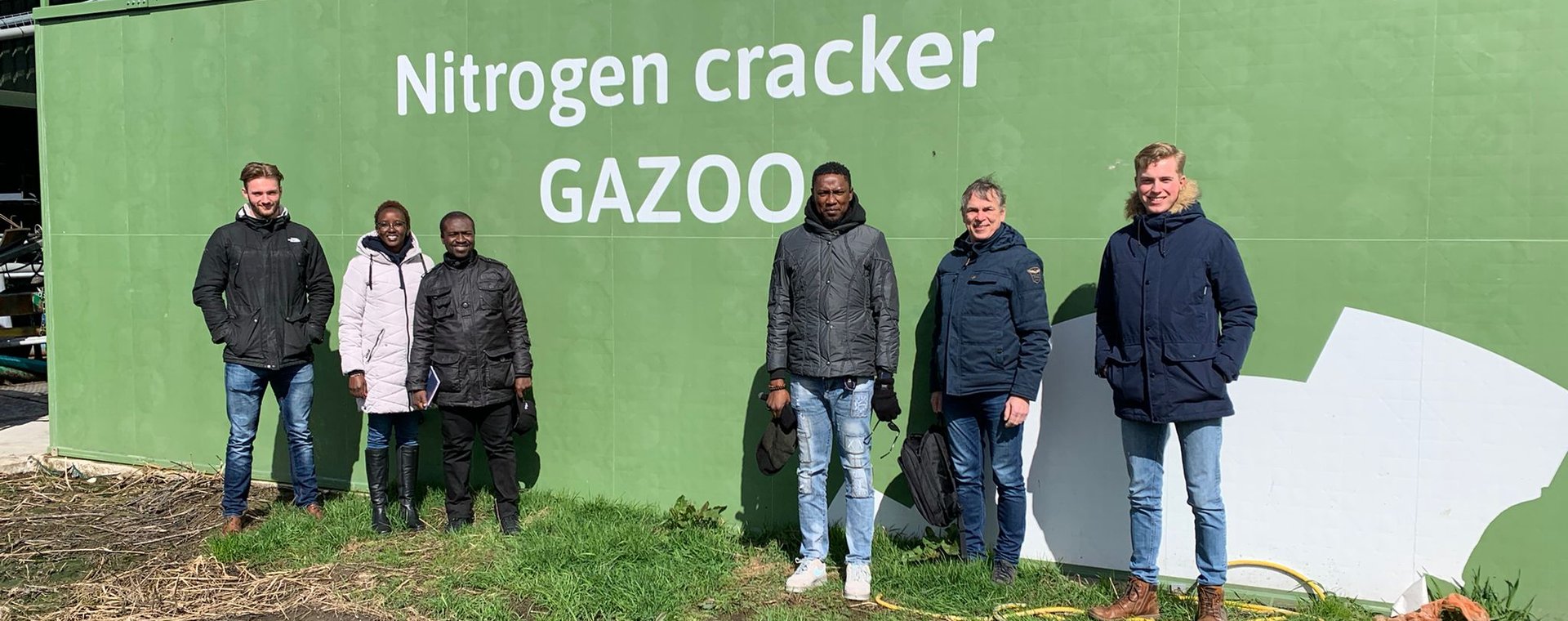
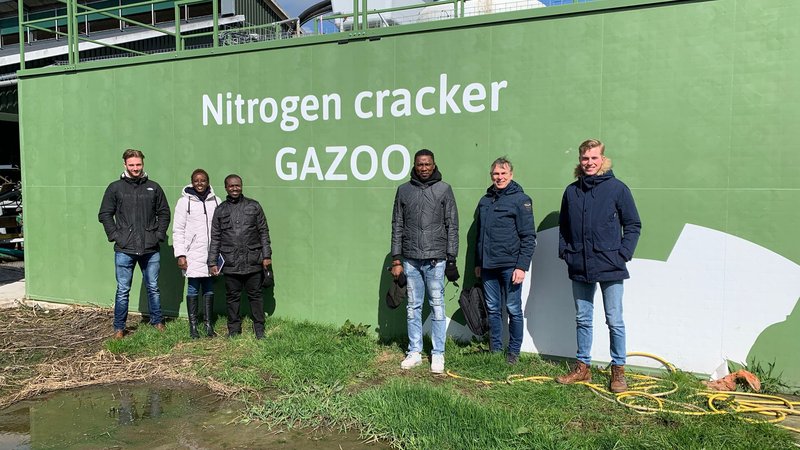
JOZ nitrogen cracker “Gazoo”: On behalf of the company JOZ (barn solutions), the effect of the nitrogen cracker on ammonia emissions is measured on dairy farms. Nitrogen balances are also measured and calculated.
In collaboration with the Masters APCM and IDFC, the research group publishes around 4 to 6 assignments each year. These graduation projects are often directly linked to international projects by or through the research group. Internship and Bachelor graduation reports are more linked to Dutch projects. In addition, there are regular interviews with the lecturer around nitrogen issues as well as the discussion concerning methodology for measuring carbon footprint.
All the research group’s publications are available on Greeni, the online library for the green universities of applied sciences.
The applied research group CSDVC is sponsored by Samenwerkingsverband Noord Nederland (SNN) and is part of the Education Programme of the Dairy Campus.
Together with these knowledge partners, we combine our strengths: SNN and Dairy Campus.
In most projects, there is a collaboration between VHL and other green universities of applied sciences; Aeres, HAS Green Academy and Hogeschool Inholland.
On an international level, we collaborate with universities from Ethiopia (Jima, Aksum), Kenya (Egerton, Meru), and Nigeria.
In all projects, small or medium-sized enterprises (SMEs) or larger companies are involved. The applied research group collaborated most frequently with FrieslandCampina (mainly in an international context) and JOZ stalsystemen.
The applied research group CSDVC supports and inspires various VHL programmes:
If you would like to know more about this applied research group, or if you have a research question, please send an email or call Professor Robert Baars:
Dr. ir. Robert Baars
Professor Climate Smart Dairy Value Chains
Email: robert.baars@hvhl.nl
Phone: +316-53128984
LinkedIn
Research into measures that reduce emissions of methane and ammonia, and understanding the transfer to each other (positive for methane and negative for ammonia, or vice versa).

Structural reduction of food losses and improvement of food quality in Kenya's avocado and dairy chains.
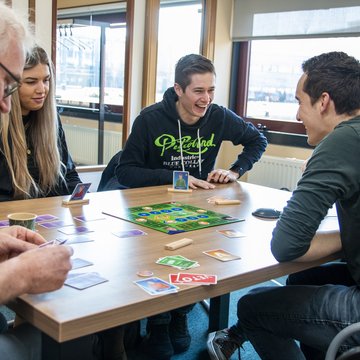
Development of the serious game Around the Table, about sustainable business succession in the agricultural sector.
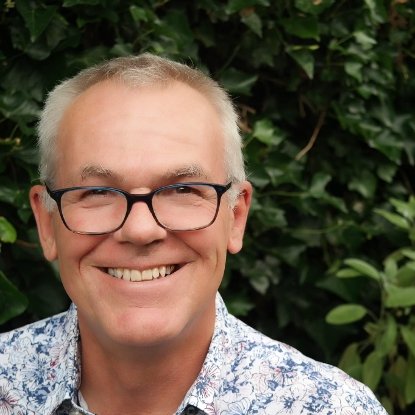
“The integration of education, applied research, and agricultural practice has been the common thread in my career, both in the Netherlands and in the international (tropical) context.”