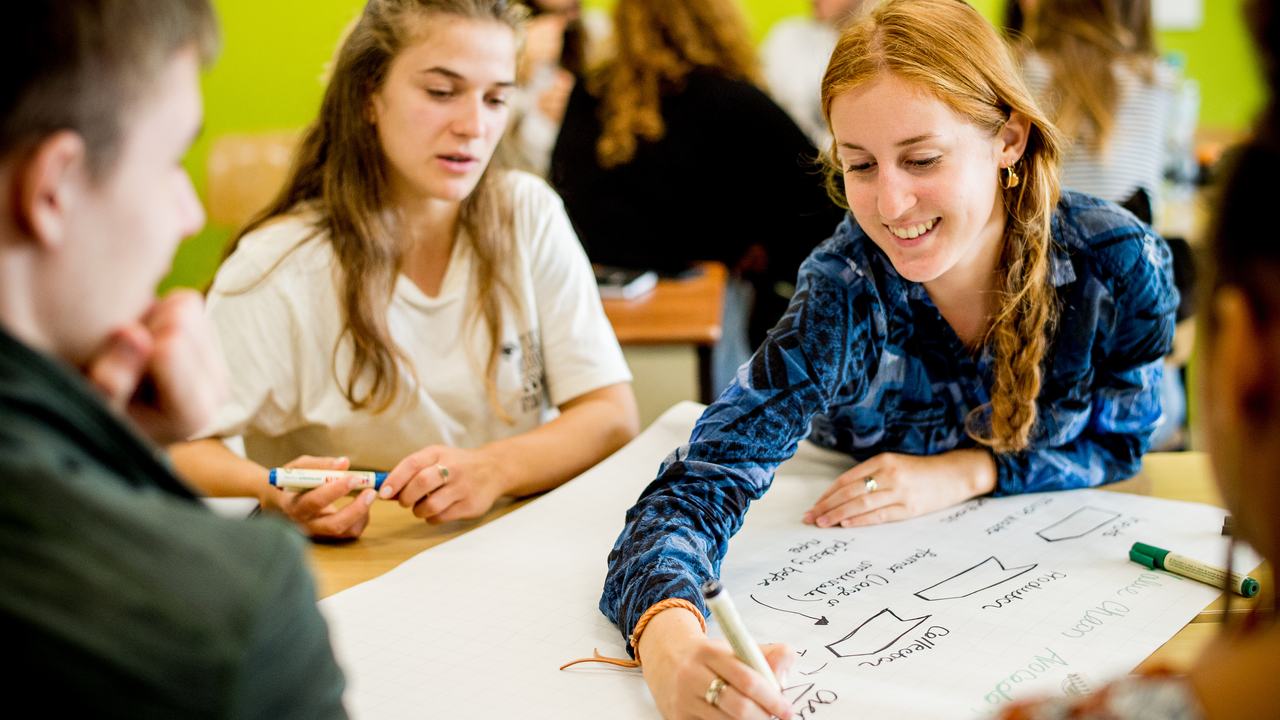
An academic year in the International Nature Conservation specialisation consists of four blocks, each with two courses. You will spend about 15 hours in the classroom each week, and about 25 hours for teamwork and individual assignments. Year 1 is a more general year, after which you deepen your specialised knowledge in years 2 and 3 with two internships and a minor. You finish your study programme with a graduation assignment at a conservation-focused organization, governmental agency or social enterprise.
In this year, you first focus on the intersection between the international cooperation sector and nature conservation. You will delve into themes that link development with biodiversity and ecosystem restoration goals, together with lecturers with experience in the field. For instance, you will investigate a biodiversity or ecosystemic crisis, look at how community livelihoods are affected, and understand how social inclusion links to sustainable development.
As an internationally-focused programme, you will learn how to interact with people from different cultures and will develop skills for collaboration and communication in a multidisciplinary environment. You will put these skills into practice during a class trip abroad in your 4th term, and you will also start learning a new language, such as Spanish, as you strengthen your academic English.
You follow these (and other) subjects in year 1:
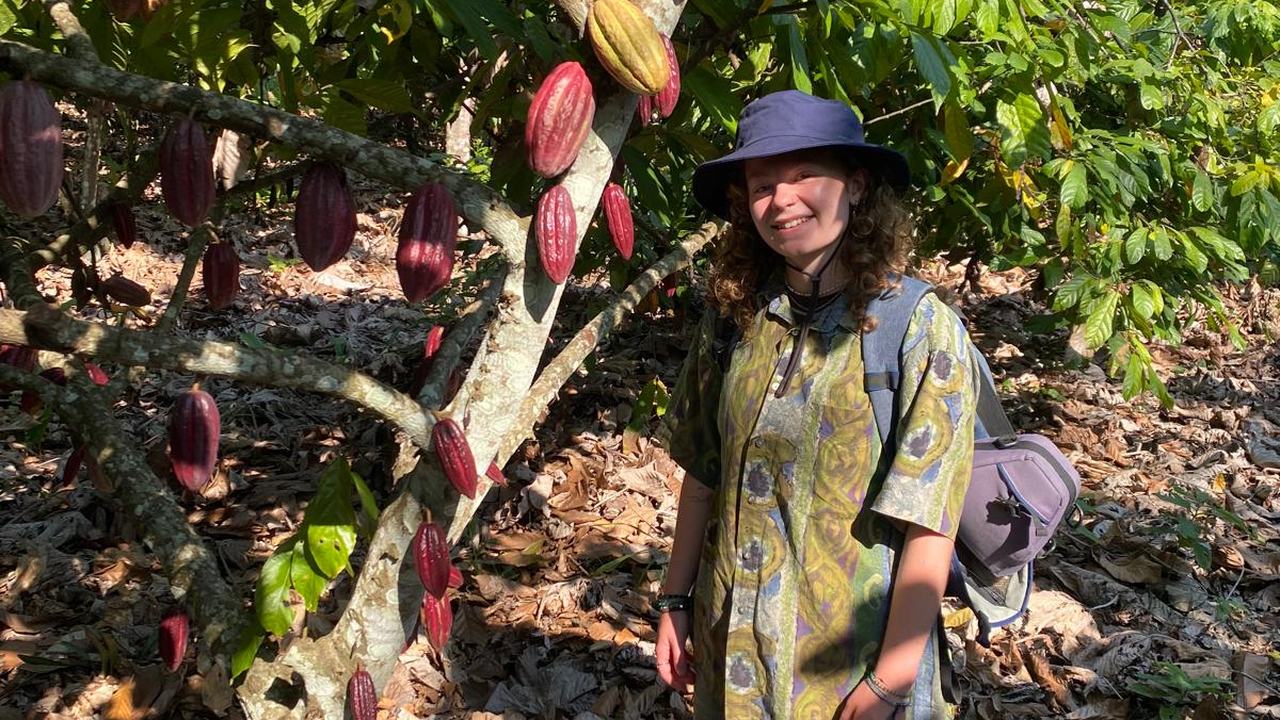
The second and third years focus on further deepening your knowledge. In year 2, you complete a ten-week placement at, for example the World Wildlife Fund (WWF), a governmental agency like Staatsbosbeheer, or a community-based environmental organisation or social enterprise in the Netherlands or anywhere in the world. Afterwards you follow course work that brings depth to your focus on nature conservation, bringing together lecturers from two faculties to guide you in your educational journey: Forest and Nature Management and International Development Management. The aim is to build student understanding of key themes of nature conservation both in the field and in the broader context of international cooperation.
If you completed an internship in your third year, you will now do a minor, and vice versa. You then complete the programme with a graduation assignment for a conservation organisation, government agency or social enterprise in the Netherlands or abroad. You have considerable freedom to choose the subject and type of final product, such as a thesis, report, video, course, initiative or practical product that contributes to nature conservation.
If, after you graduate, you would like to continue your education, the International Nature Conservation specialisation prepares you with the skills and knowledge to pursue a related Master’s programme. You might choose to study at university in the Netherlands or abroad to further specialise in ecosystem restoration, environmental policy or agroecology. Since the International Nature Conservation specialisation is part of your International Development Management studies, you are also prepared to pursue a Master’s degree in graduate programmes related to Sustainable Development or the social sciences.