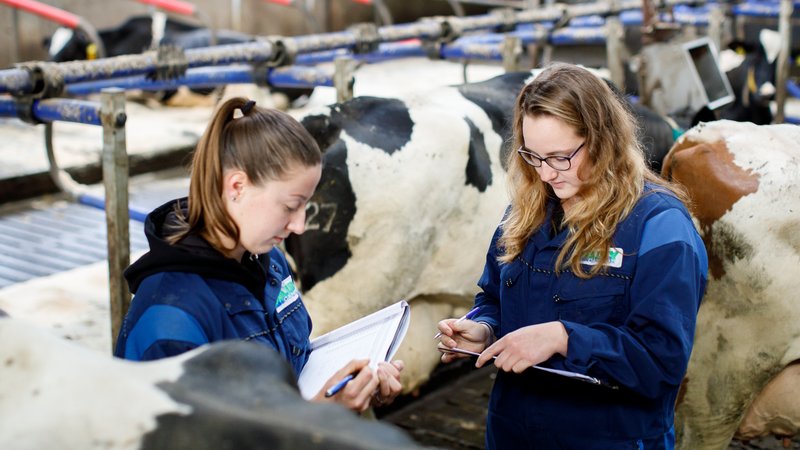

In your study programme in Animals, Society and Business, you will, of course, learn everything there is to know about animals, such as health, nutrition and breeding. You also learn about the world around them. You take a close look at topics such as entrepreneurship, marketing, and financial management. You also discuss developments in society and challenges in the sector, both nationally and internationally. You will contribute ideas for sustainable solutions, together with your fellow students and professionals from the field. This is where the skills you acquire in research, innovation and education come in handy.
In the first year, you are introduced to all aspects of animal husbandry. You take courses on animals, livestock business, the sector, and society. You also delve into practice. Independently or with fellow students, you work together on real-life cases. For example by drawing up a marketing plan for a company in the sector, such as Kipster or Friesland Campina. Or by working independently on an animal welfare issue for a livestock farm. You will learn how to interact with people from different cultures. And you will develop an open attitude and skills to collaborate and communicate in an international environment.
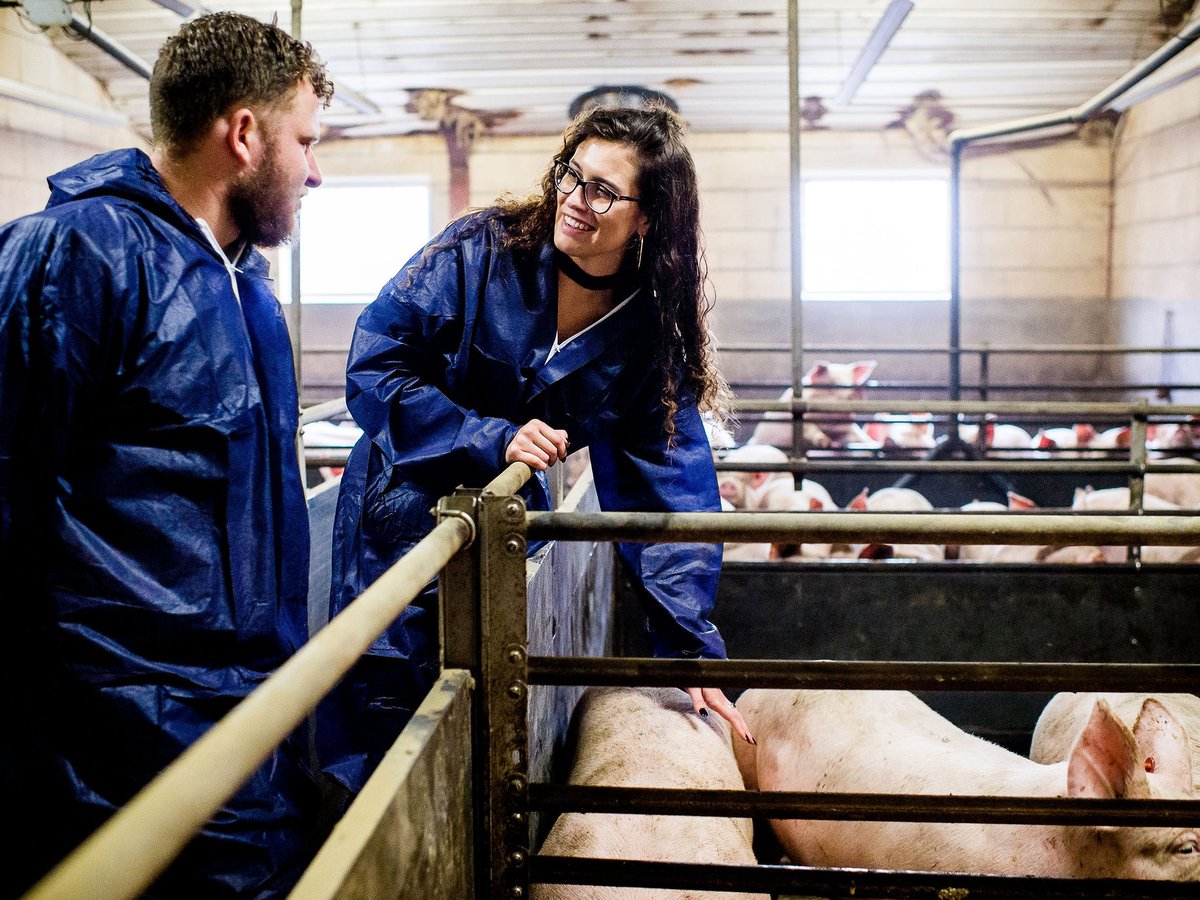
You start year 2 with a short internship at a livestock farm, where you get to experience how things work there. You then work on your research skills and learn a lot more about entrepreneurship and innovation. You also zoom in on the role of production animals in society, and consider how to reduce zoonoses (infectious diseases that can spread from animals to humans). You also analyse a livestock farm, to later introduce sustainable changes to it.
In the first half of the third year, you deepen your understanding of animals, livestock business, the sector, and society. This is where all the knowledge and practical experience you have gained come in handy. You complete this year with an internship or minor. You can organise your internship in the Netherlands or abroad, for example at a livestock company, research institute, or government organisation. In your minor, you deepen or broaden your knowledge. You follow your minor at VHL or at another research university or university of applied sciences in the Netherlands or abroad.
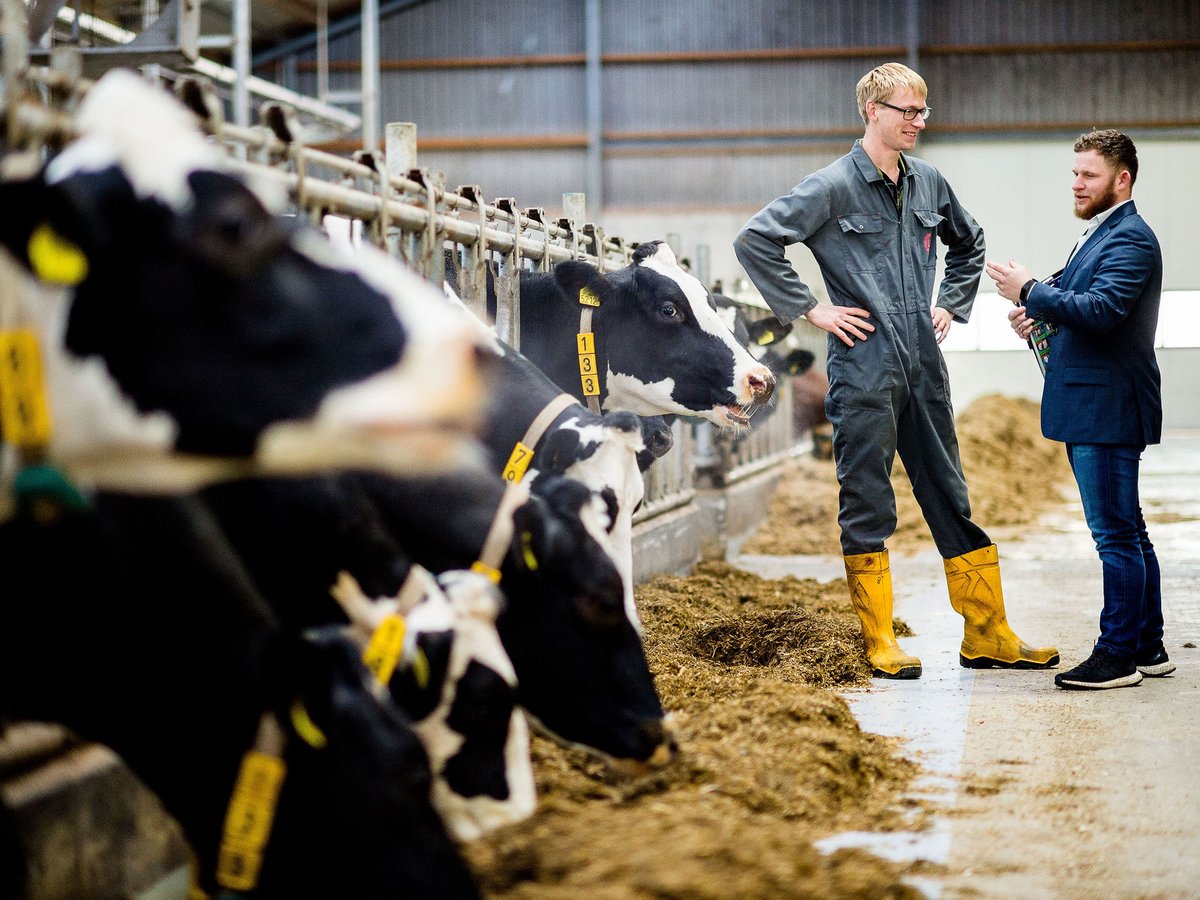
If you completed your internship in year 3, you now proceed with your minor. Or vice versa. For your graduation project, you devote yourself to a real case study at a real organisation in the Netherlands or abroad. In the process, you combine research and practice, and then finally present the outcomes in the form of a thesis. Your graduation options include dairy or meat processing companies, genetics companies, government organisations, or NGOs.
| Year | Period 1 | Period 2 | Period 3 | Period 4 |
|---|---|---|---|---|
| 1 |
Orientation in the professional field Animal nutrition and reproduction |
Marketing Animal health |
Animals in society Animals in business |
Land use and feed production Practical project |
| 2 | Internship |
Research and animal health Nutrition and breeding |
Innovation Risk analysis of livestock farms |
Entrepreneurship Product quality |
| 3 | Deepening your knowledge of animals, livestock business, sector and society | Internship or minor | ||
| 4 | Minor or internship | Graduation project | ||