Internationalisation
At VHL, we want to contribute to the crucial green transition by joining forces internationally. And thus to a future-proof world.
Open days
-
Online Open Day
4 June



At VHL, we want to contribute to the crucial green transition by joining forces internationally. And thus to a future-proof world.
Online Open Day
4 June
Online Open Day
4 June
At VHL, we want to contribute to the crucial green transition by joining forces internationally. And thus to a future-proof world.
The effects of climate change are visible and felt worldwide. This therefore calls for solutions that reach beyond our own national borders. This vision is also shared by Van Hall Larenstein University of Applied Sciences.
We believe that by joining forces internationally, we can contribute to that crucial green transition. And thus to a future-proof world. How do we do that? Through education, research and cooperation, we are committed to four transitions, at home and abroad: climate adaptation and mitigation, a sustainable agriculture and food chain, sustainable water management and a sustainable living environment.
With our education, we train students to become transition makers: experts who are indispensable for the world of tomorrow. It is not for nothing that our educational concept is called 'Educating for a future-proof world'. In all programmes, we work on transition issues that take place at different levels: local, regional, national and international.
An important aim in our education is to give all students a broad view of the world. Both professionally and personally. Because that is going to help in their future careers. How does this take shape?
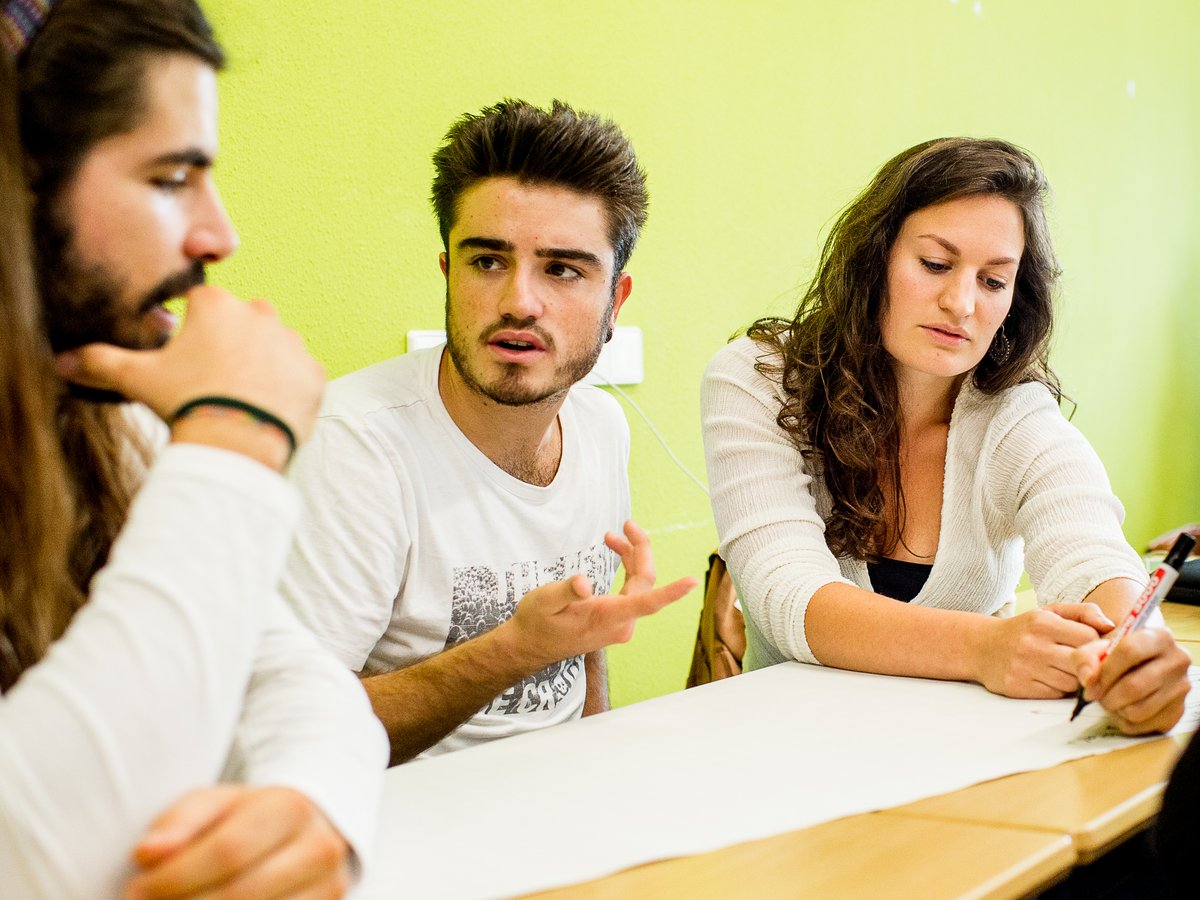
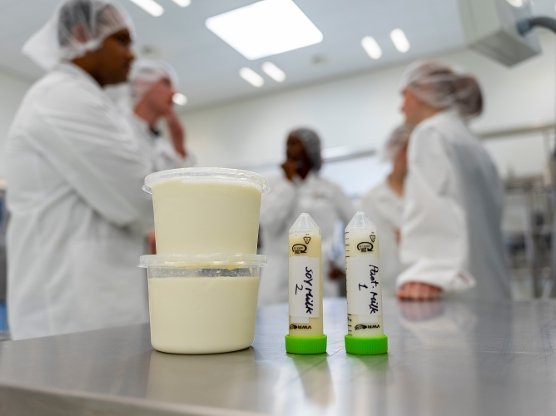
By conducting practice-oriented research, we create new insights and innovative solutions for the green transition. In doing so, we often move to a 'living lab'. This is a real-life setting in which students, teachers and researchers - together with the professional field - examine complex issues from national and international practice.
Everyone participates in such a living lab from their own discipline, background, experience and expertise. As a result, education, research and innovation are closely connected. Our international living labs range from the Caribbean to India and Indonesia. Here, partnership with local stakeholders is central. We cooperate on an equal footing and encourage all parties to participate independently. This allows us to maximise knowledge and information exchange and realise sustainable projects.
We achieve a better world by working together towards common goals in a focused way. This is what the European Union is doing along the way to a green economy, for example. Both thematic policy agendas (such as the Green Deal) and those for education (such as the European Education Area) are pillars for HVHL on which our cooperation within and outside Europe rests. Here, we always think from the four transitions.
Our partners are complementary to the university of applied sciences and focus on vocational education. In each cooperation and for each theme, we bring together several study programmes and professorships. This allows us to maximise knowledge and innovation exchange and make more impact.
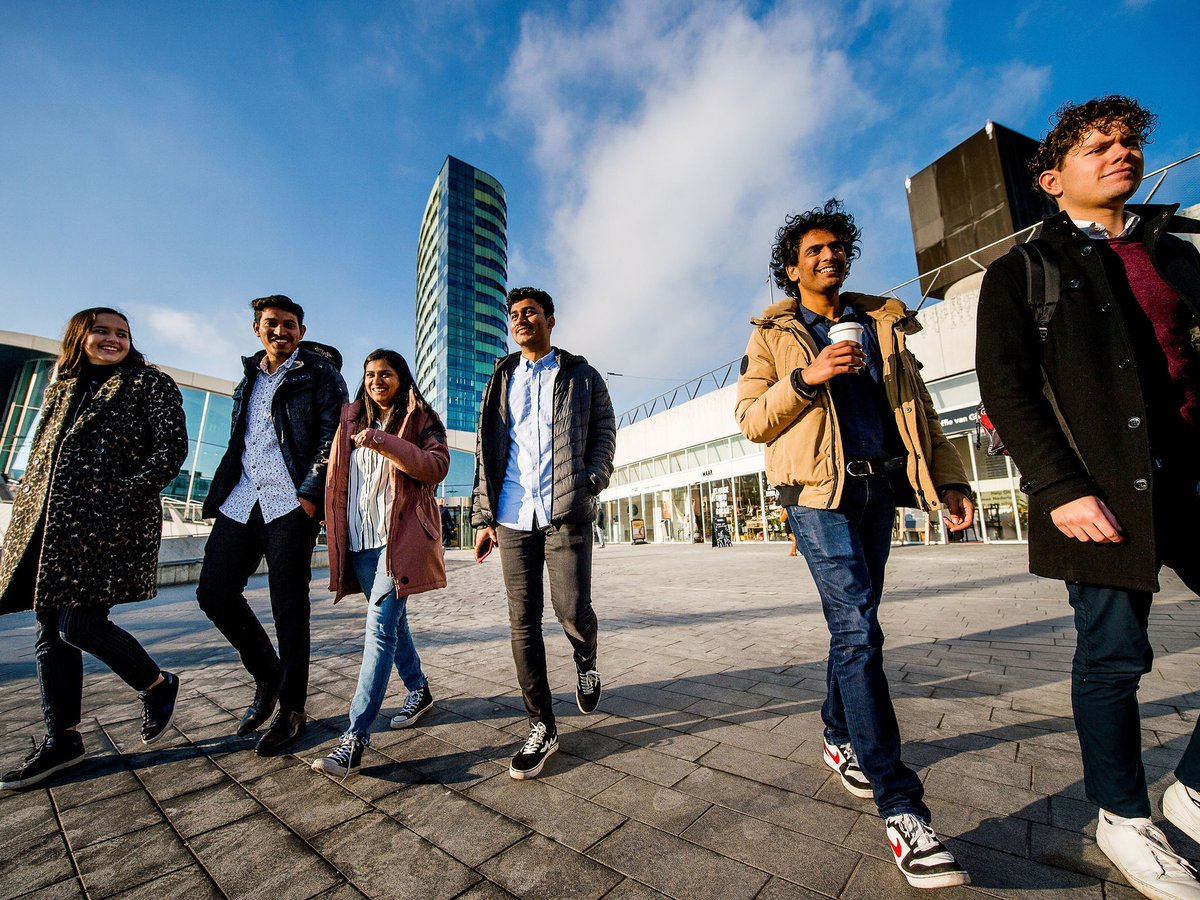
Van Hall Larenstein University of Applied Sciences (HVHL) has English-language bachelor's, master's and certificate programmes. At the Velp location, we have five undergraduate programmes taught entirely in English:
Besides classes in English, students often take classes with fellow students from all over the world. And you can complete your internships abroad. Thailand, China, Ghana, Macedonia: all over the world you will meet students from HVHL. You will be prepared for an international career!